Is there a difference between walnut oil and black walnut oil?
Is there a difference between walnut oil and black walnut oil?
Yes, there is a real and important difference between walnut oil and black walnut oil. Even though the names sound similar, these two oils come from different walnut species and are used for very different purposes. Treating them as the same can lead to confusion, misuse, and in some cases unwanted side effects.
Understanding how walnut oil and black walnut oil differ helps you choose the right one based on safety, daily use, and intended benefits rather than assumptions.
What walnut oil actually is
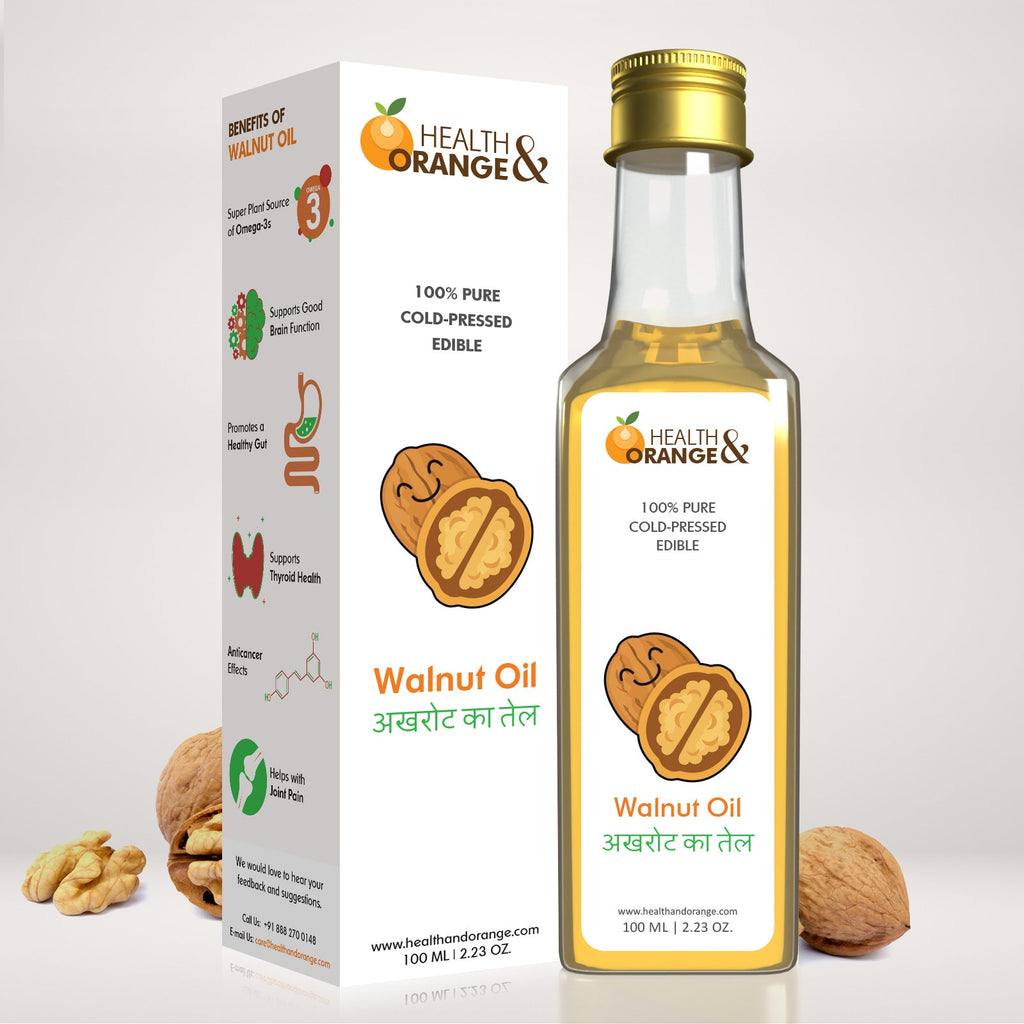
Walnut oil is typically made from English walnuts, sometimes called Persian walnuts. This is the same type of walnut most people eat. The oil is extracted from the edible nut itself, usually through cold pressing to preserve nutrients.
Walnut oil is widely used in food, skincare, and hair care. It has a mild nutty aroma, a light golden color, and a smooth texture that absorbs well into skin and hair.
Because it comes from an edible nut and has a relatively gentle composition, walnut oil is considered a nourishing oil rather than a treatment oil. It is commonly used for moisturizing, supporting skin elasticity, and improving hair softness and shine.
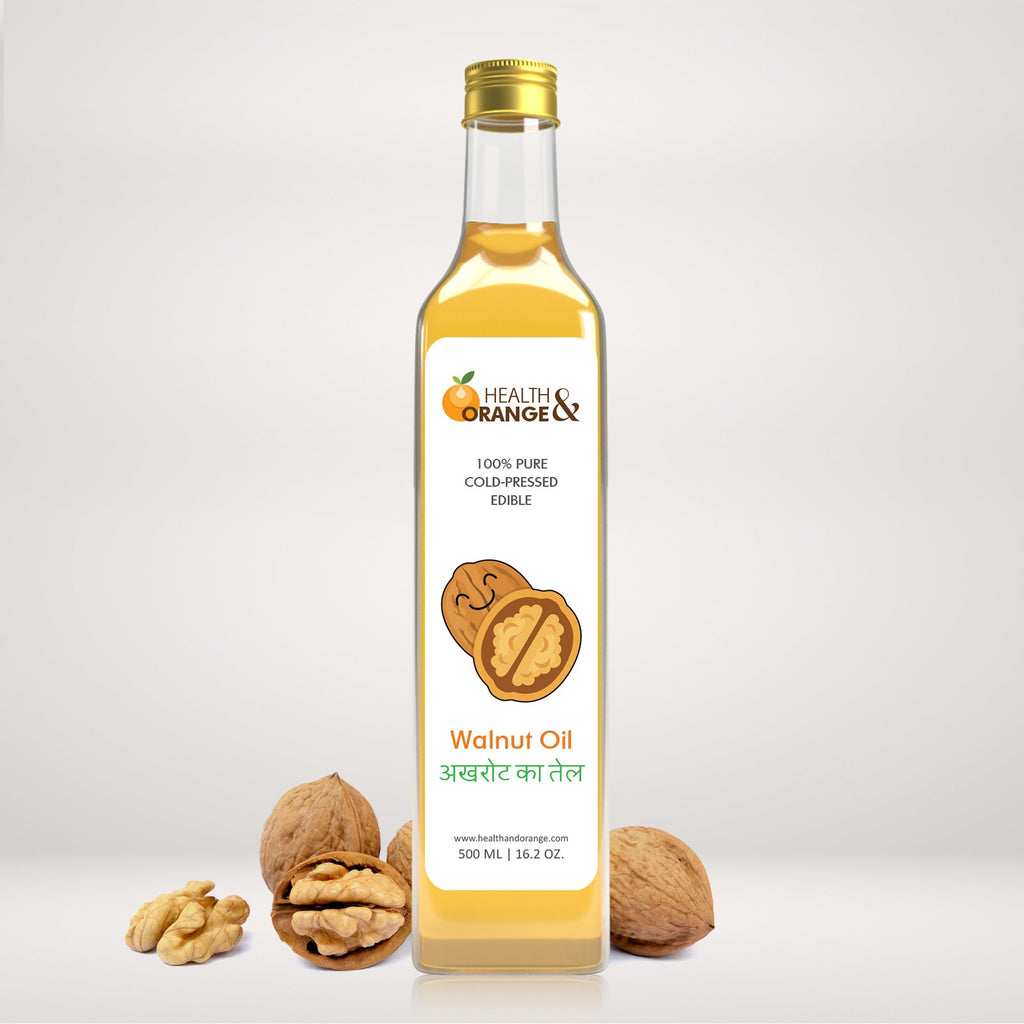
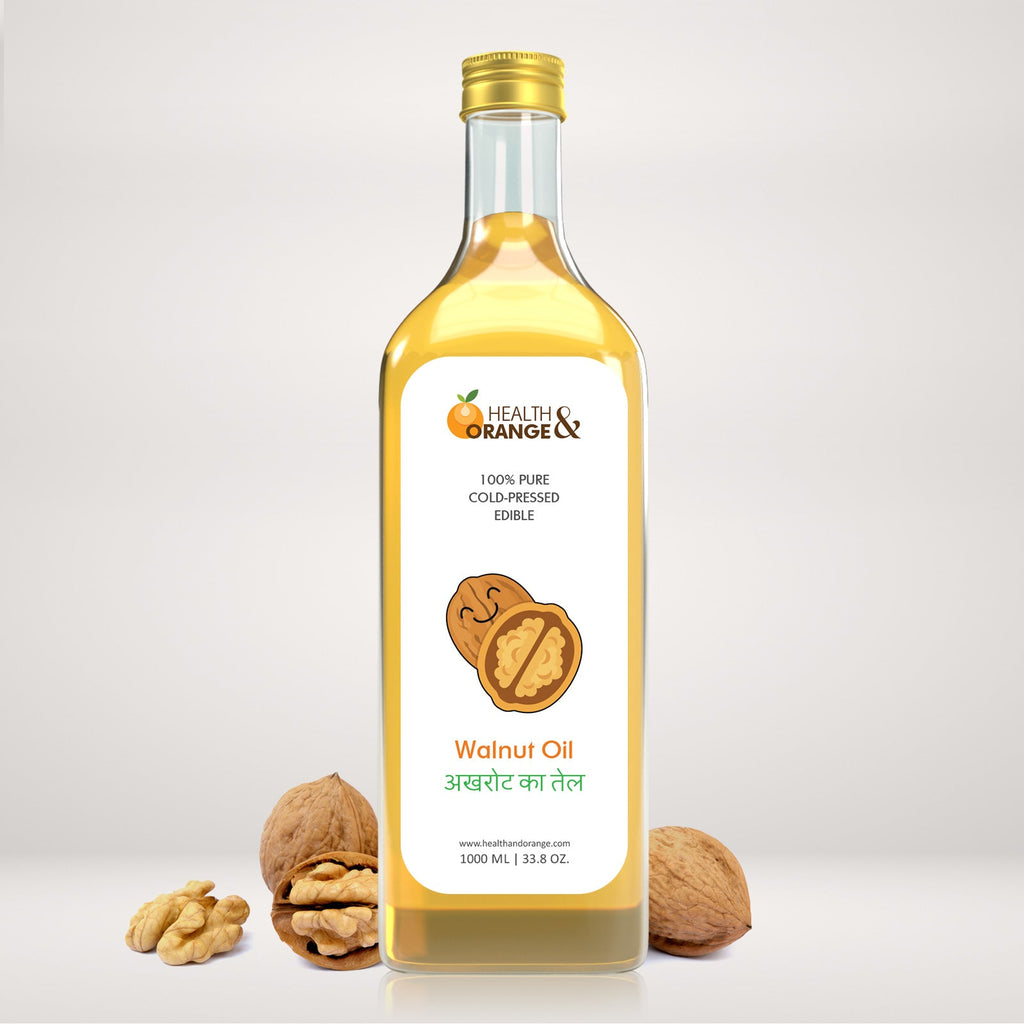
If you are choosing a product for regular use, opting for reliable products like our pure cold-pressed walnut oil helps ensure the oil is clean, fresh, and suitable for daily routines.
What black walnut oil is
Black walnut oil comes from a completely different species known as the black walnut tree. This tree produces darker, harder nuts with thick hulls that contain much stronger natural compounds.
Black walnut oil is often extracted from the hulls or the nut and is commonly used in herbal or traditional practices rather than everyday wellness routines. It has a much darker color, stronger aroma, and more intense composition than regular walnut oil.
Unlike walnut oil, black walnut oil is not typically used for cooking or routine skincare. It is most often associated with short-term herbal applications, especially in alternative medicine.
This difference in origin alone makes these two oils fundamentally different.
Nutritional differences between walnut oil and black walnut oil
Walnut oil is valued for its nutritional profile. It contains omega-3 fatty acids, polyunsaturated fats, and antioxidants that support heart health, skin nourishment, and overall wellness when used in moderation.
It is often used as a finishing oil in food and is safe for consumption in small amounts. Its nutrients are delicate, which is why it should not be heated heavily.
Black walnut oil is not considered a nutritional oil. It contains compounds such as juglone, which have antimicrobial and antifungal properties but can be irritating or toxic if misused.
Because of this, black walnut oil is generally not recommended for internal consumption unless under professional guidance.
If you are exploring walnut oil for internal use, you may want to understand if walnut oil is good for you to see how it fits into a balanced lifestyle.
Safety differences between the two oils
One of the biggest differences between walnut oil and black walnut oil is safety.
Walnut oil is generally safe for most people when used correctly and in moderation. Side effects are uncommon and usually related to allergies, overuse, or poor storage.
Black walnut oil carries a higher risk of irritation and adverse reactions. Because it is much more potent, it can cause skin irritation, digestive upset, or allergic reactions if used incorrectly.
People with nut allergies should avoid both oils, but black walnut oil poses a greater risk even for those without known allergies.
To better understand potential concerns, it may help to review what are the side effects of walnut oil and recognize that black walnut oil is typically stronger and less forgiving.
Walnut oil vs black walnut oil for skin use
Walnut oil is commonly used in skincare because it helps moisturize dry skin, support the skin barrier, and improve softness. It absorbs well and can be used as a facial or body oil with proper patch testing.
It is especially suitable for dry or mature skin types. People with acne-prone skin may need to use it sparingly, but overall it is considered gentle.
Black walnut oil is not recommended for routine skin care. Its strong compounds can irritate the skin, particularly sensitive or facial skin. In some cases, it may even cause staining due to its dark color.
If your goal is everyday skin nourishment, walnut oil is the safer and more appropriate choice.
For those curious about how walnut oil affects skin tone, you may want to explore whether walnut oil lightens skin to set realistic expectations.
Walnut oil vs black walnut oil for hair care
Walnut oil is widely used for hair care because it nourishes the scalp, reduces dryness, and improves hair shine. It helps reduce breakage and supports overall hair health without changing hair color permanently.
It works well for dry, damaged, or textured hair types when used correctly and washed out thoroughly.
Black walnut oil, on the other hand, is not commonly used for hair care. Its strong compounds may irritate the scalp, and its dark color can stain skin or fabrics.
If you are concerned about whether walnut oil affects hair color, you may want to understand whether walnut oil darkens hair to separate appearance changes from actual color change.
For regular hair routines, walnut oil is the safer option.
Differences in culinary use
Walnut oil has a mild, nutty flavor that works well in salad dressings, dips, and cold dishes. It is not suitable for high-heat cooking because of its low smoke point.
Black walnut oil is not used in cooking. Its strong flavor and potent compounds make it unsuitable for food use.
If you are using walnut oil in the kitchen, it should be added after cooking or used raw to preserve its benefits.
Storage and shelf life differences
Walnut oil is sensitive to heat, light, and air. It should be stored in a cool, dark place and ideally refrigerated after opening to prevent rancidity.
Black walnut oil also requires careful storage, but because it is often used in small quantities for specific purposes, it is typically sold with more controlled storage instructions.
Using rancid oil, especially black walnut oil, increases the risk of irritation or digestive discomfort.
Traditional and herbal uses of black walnut oil
Black walnut oil has a long history in traditional and herbal practices. It is often associated with parasite cleansing, antifungal treatments, and antimicrobial use.
These applications are usually short-term and supervised. Black walnut oil is not intended for casual, daily use.
Walnut oil does not serve this purpose. Its role is nourishment and support rather than treatment.
Confusing these two oils can lead to inappropriate use.
Which oil is better for everyday use?
For everyday use, walnut oil is clearly the better choice. It is safer, more versatile, and suitable for food, skin and hair when used correctly.
Black walnut oil should only be used for specific purposes and with proper knowledge or professional guidance.
Choosing the wrong oil for daily use increases the risk of irritation and side effects.
Who should avoid these oils
People with nut allergies should avoid both walnut oil and black walnut oil entirely.
Those with sensitive skin, digestive conditions, or underlying medical issues should be especially cautious with black walnut oil.
Pregnant or nursing individuals should consult a healthcare professional before using either oil internally or externally.
Common misconceptions about walnut oil and black walnut oil
A common misconception is that black walnut oil is simply a stronger version of walnut oil. This is not true. They are different oils with different purposes.
Another misconception is that darker color means better results. In reality, stronger compounds increase both potency and risk.
Understanding these differences helps you choose the right oil for the right reason.
How to choose the right oil for your needs
If your goal is nourishment, moisture, or everyday wellness, walnut oil is the appropriate choice.
If you are exploring traditional or herbal treatments, black walnut oil may be discussed, but it should not be used casually.
Reading labels carefully and understanding the source of the oil helps avoid confusion.
Final thoughts on the difference between walnut oil and black walnut oil
Walnut oil and black walnut oil are not interchangeable. Walnut oil is a gentle, nourishing oil suitable for food, skin, and hair when used correctly.
Black walnut oil is a potent herbal oil intended for specific, short-term uses and requires caution.
Knowing the difference protects your health and ensures you use each oil in a way that matches its purpose.
FAQs
1. Is walnut oil the same as black walnut oil?
No, they come from different walnut species and have different uses.
2. Can black walnut oil be eaten?
It is not commonly used as a food oil and should be used with caution.
3. Is walnut oil safe for daily use?
Yes, when used in moderation and stored properly.
4. Can black walnut oil be used on the skin daily?
No, it is too strong for routine skin care.
5. Which oil is better for hair care?
Walnut oil is safer and more suitable for regular hair use.
6. Does black walnut oil stain skin or hair?
It can stain due to its dark color and strong compounds.
7. Is black walnut oil stronger than walnut oil?
Yes, it is significantly more potent.
8. Can walnut oil cause allergic reactions?
Yes, especially in people with nut allergies.
9. Which oil is better for cooking?
Walnut oil can be used cold; black walnut oil should not be used in cooking.
10. Should I consult a professional before using black walnut oil?
Yes, especially for internal or medicinal use.
Related post
06
Jan
06
Jan
05
Jan
RECENT POSTS