Does walnut oil lighten skin?
Does walnut oil lighten skin?
No, walnut oil does not lighten skin by changing your natural skin color. It does not bleach the skin or reduce melanin. What walnut oil can do is nourish the skin deeply, reduce dryness, and improve texture, which can make the skin look brighter, healthier, and more even over time.
Walnut oil is often discussed in natural skincare because of its rich nutritional profile and visible effects on skin quality. Many people confuse improved glow with skin lightening, so it helps to understand how this oil actually works.
What walnut oil actually does for your skin
Walnut oil is extracted from whole walnuts and is packed with essential fatty acids, antioxidants, and vitamins that support skin health. These nutrients strengthen the skin barrier, lock in moisture, and protect the skin from environmental stress.
When your skin is well hydrated and calm, it reflects light more evenly. That reflection creates a natural glow and smoother appearance. This visual brightness is often mistaken for lightening, even though your actual skin tone remains the same.
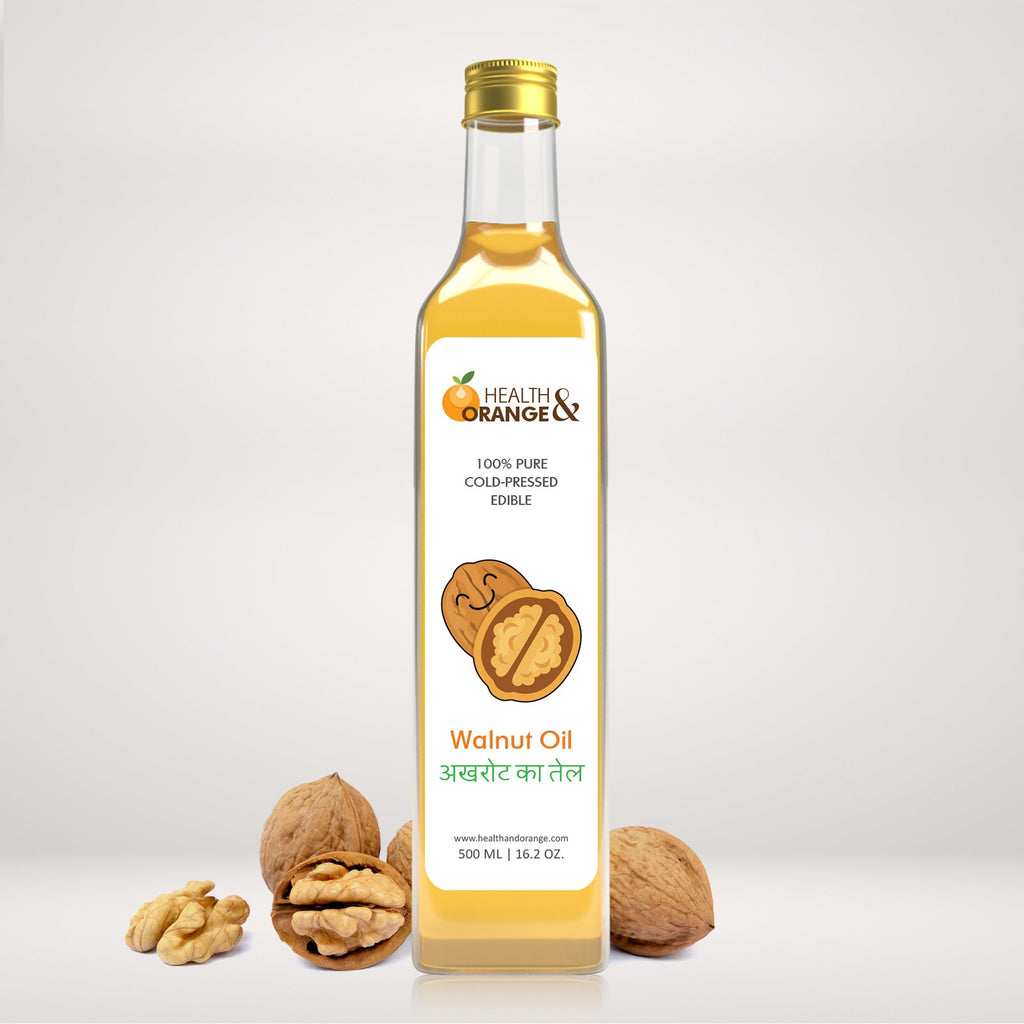
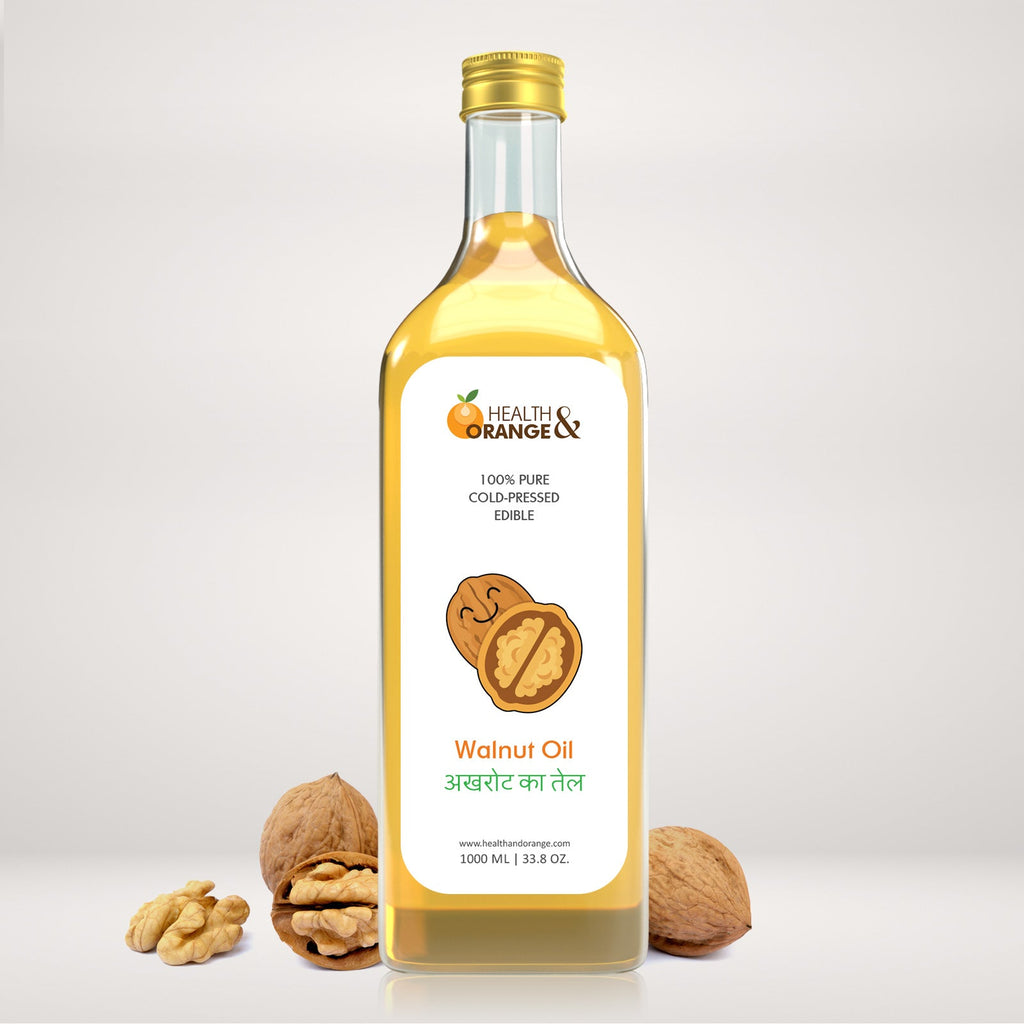
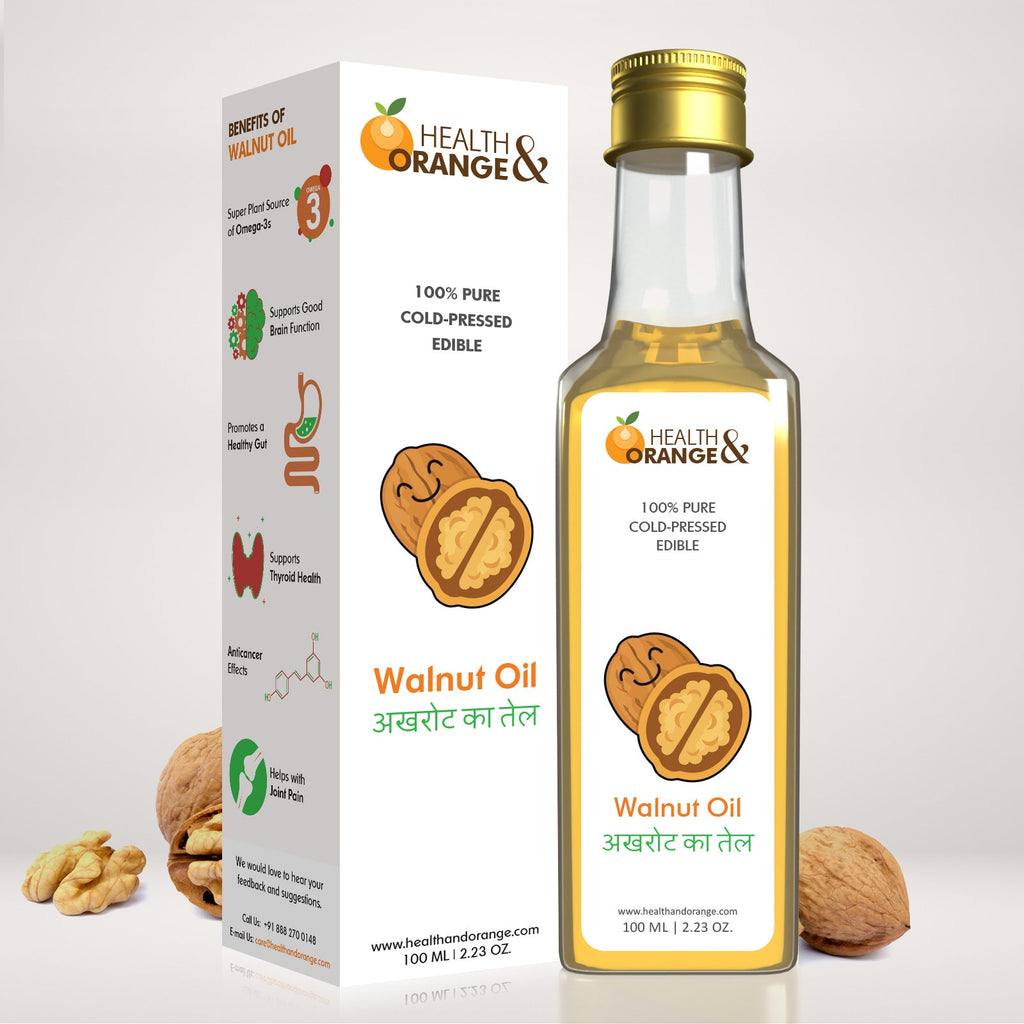
Using a clean, well-sourced product like our pure cold pressed walnut oil focuses on improving skin condition, not altering skin color.
Can walnut oil lighten skin naturally?
Walnut oil does not lighten skin in a permanent or chemical way. It does not stop melanin production and it does not remove deep pigmentation. If your concern is dark spots caused by sun damage or hormonal changes, walnut oil alone will not erase them.
What it can help with is surface dullness. Dry, rough skin often looks darker and uneven. Walnut oil softens the skin, smooths texture, and improves moisture levels. Over time, this can make your complexion look clearer and more refreshed.
This is why people often feel their skin looks brighter after consistent use, even though the skin’s natural color stays the same.
Why walnut oil can improve the look of uneven skin tone
Walnut oil supports the skin barrier, which plays a big role in how even your skin looks. A damaged barrier allows moisture loss and irritation, leading to redness, patchiness, and dullness.
The omega fatty acids in walnut oil help repair that barrier. Its antioxidants support skin recovery and help protect against pollution and everyday stress. When the skin is calm and hydrated, uneven areas often appear less noticeable.
Walnut oil vs oils known for skin lightening
Not all oils serve the same purpose. Some oils are traditionally used to target pigmentation more directly, while others focus on nourishment and skin comfort.
Walnut oil belongs in the nourishing category. It improves skin quality rather than targeting pigment production. This makes it a good choice for people who want gentle, long-term skin health without harsh ingredients.
If you want to understand how other oils are discussed in relation to brightening, our blog,“Is almond oil good for skin whitening" offers useful context.
How to use walnut oil for brighter-looking skin
Apply a few drops of walnut oil to clean, slightly damp skin. Massage gently using slow, circular motions until absorbed. This helps the oil penetrate better and supports circulation.
Walnut oil works especially well as a night oil because it has time to deeply nourish the skin while you sleep. If you are unsure whether leaving oil on overnight is right for you, our blog, "Is it ok to leave oil on face overnight" explains what to consider.
Consistency matters more than quantity. Using a small amount regularly gives better results than applying too much at once.
Who should use walnut oil on their skin
Walnut oil is particularly beneficial for dry and mature skin types because it provides deep moisture and supports elasticity. People with normal skin can also use it to maintain softness and glow.
Those with acne-prone or very sensitive skin should always patch test first. Walnut oil is rich and may feel heavy for some skin types.
Walnut oil in a balanced skincare routine
Walnut oil works best as part of a simple, consistent routine. Cleanse gently, apply walnut oil to nourish the skin, and always use sunscreen during the day.
Oils do not protect against UV damage, and sun exposure is one of the biggest causes of uneven skin tone. Protecting your skin daily plays a bigger role in preventing darkening than any oil alone.
For general oil usage guidance, “Can almond oil be used on the face” shares tips that apply to most facial oils, including walnut oil.
Common myths about walnut oil and skin lightening
A common myth is that natural oils can dramatically change skin color. Most oils work by improving skin health, not by altering pigment.
Another misconception is that faster results mean better results. Healthy skin improvements take time. Walnut oil supports gradual, safe improvement rather than instant changes.
Understanding these differences helps set realistic expectations and avoid disappointment.
Final thoughts on walnut oil and skin tone
Walnut oil does not lighten skin, but it can make your skin look brighter, smoother, and healthier. That visual improvement often feels like lightening, even though your natural tone remains unchanged.
If your goal is gentle skincare with long-term benefits, walnut oil is a strong choice when used consistently and paired with sun protection.
FAQs
Does walnut oil permanently lighten skin?
No, walnut oil does not permanently lighten skin or change natural skin color.
Can walnut oil remove dark spots?
Walnut oil may improve skin texture but it does not remove deep pigmentation or dark spots.
How long does it take to see results from walnut oil?
Glow and smoothness usually appear after a few weeks of consistent use.
Is walnut oil safe for daily facial use?
Yes, for most people it is safe when used in small amounts and patch tested first.
Can oily skin types use walnut oil?
Some oily skin types can use it sparingly, but patch testing is important.
Does walnut oil help with dull skin?
Yes, it helps hydrate and soften skin, which reduces dullness.
Can walnut oil be used under makeup?
A very small amount can be used as a moisturizing base if fully absorbed.
Is walnut oil better used at night or day?
It is best used at night, especially for dry or mature skin.
Does walnut oil protect against sun damage?
No, walnut oil does not replace sunscreen and offers no UV protection.
Can walnut oil be combined with other skincare products?
Yes, it can be used alongside gentle cleansers and moisturizers.
Related post
06
Jan
06
Jan
05
Jan
RECENT POSTS