Which oil is most absorbed by skin?
Which oil is most absorbed by skin?
Among commonly used natural oils, oils like almond oil, jojoba oil, walnut oil, and grapeseed oil are known for high skin absorption, with sweet almond oil and walnut oil often standing out for everyday use.
That said, no single oil works the same way for everyone. Skin type, oil quality, and how the oil is applied all influence absorption. Understanding why some oils absorb better than others helps you choose the right one for your skin rather than relying on guesswork.
What skin absorption really means
When people talk about an oil being absorbed by the skin, they usually mean one of two things. Either the oil penetrates into the upper layers of the skin without leaving a greasy film, or it supports the skin barrier while allowing moisture to pass through naturally.
Absorption does not mean the oil disappears completely. Instead, a well-absorbed oil integrates with the skin, leaving it soft and nourished rather than shiny or heavy.
Oils that absorb well tend to feel lightweight, spread easily, and sink in within a few minutes. Oils that absorb poorly often sit on top of the skin and can feel sticky or occlusive.
Why some oils absorb better than others
The key factor in absorption is fatty acid composition. Oils rich in oleic acid tend to be heavier and slower to absorb, while oils higher in linoleic acid absorb more quickly and feel lighter.
Another factor is molecular size. Smaller molecules penetrate the skin more easily, while larger molecules stay closer to the surface.
The skin’s natural oil balance also matters. Oils that resemble human sebum are more readily accepted by the skin, making absorption smoother and faster.
Skin condition plays a role too. Dry or damaged skin may absorb oils faster, while very oily or congested skin may resist heavier oils.
Almond oil and skin absorption
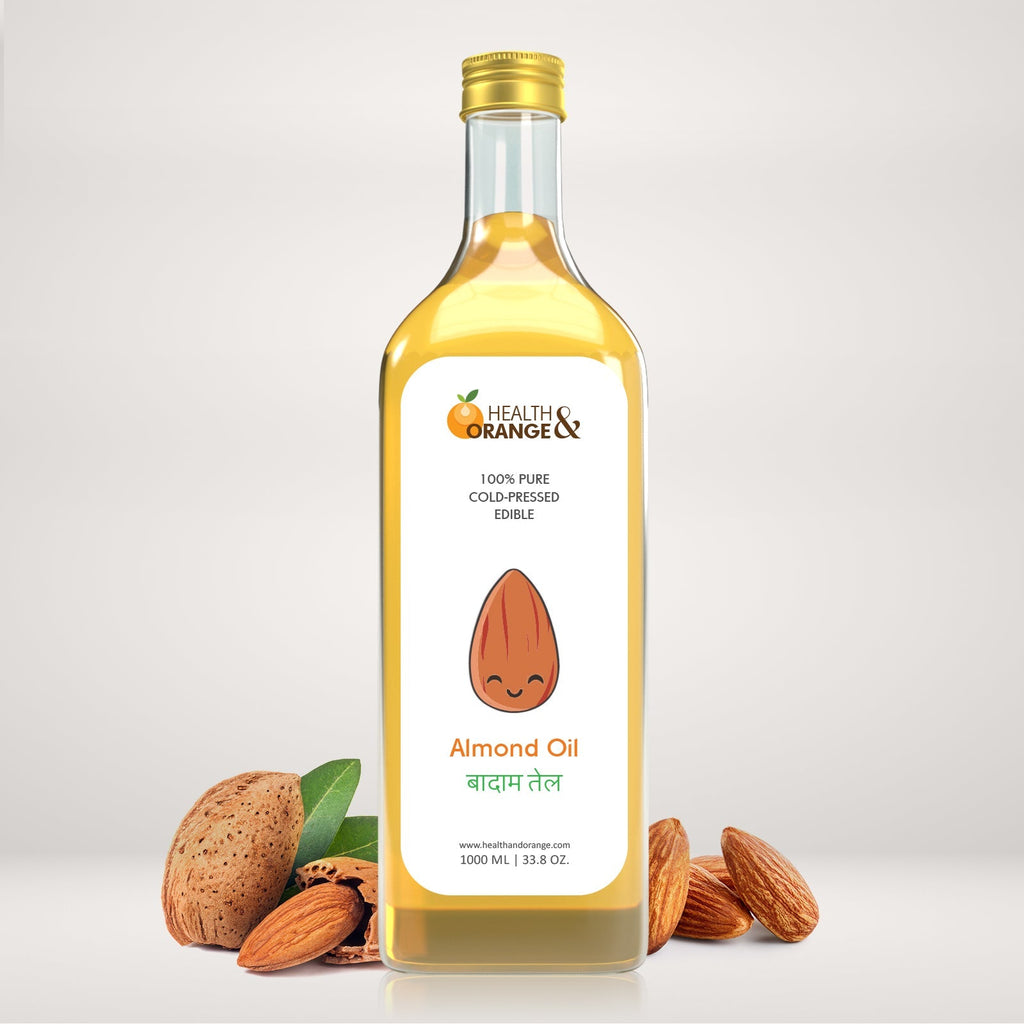
Sweet almond oil is often considered one of the most skin-friendly oils because of how easily it absorbs. It has a balanced fatty acid profile that allows it to penetrate the skin without clogging pores for most people.
Almond oil feels lightweight, spreads easily, and leaves minimal residue. This makes it suitable for facial care, body massage, and sensitive skin routines.
If you are exploring oil absorption for facial use, understanding if almond oil can be used on the face helps clarify why it is often recommended as a well-absorbing option.
Because of its absorption rate, almond oil is commonly used as a carrier oil in skincare products and massage blends.
Walnut oil and how it absorbs into skin
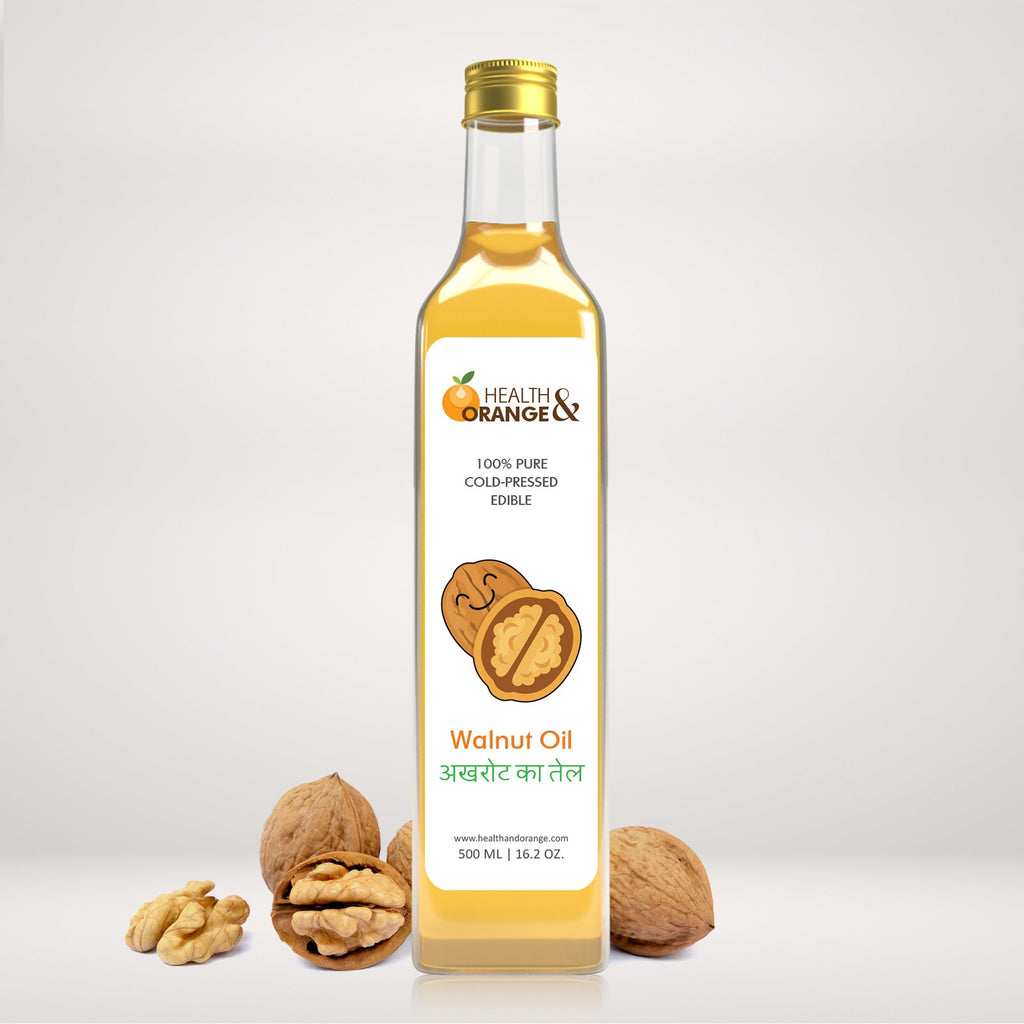
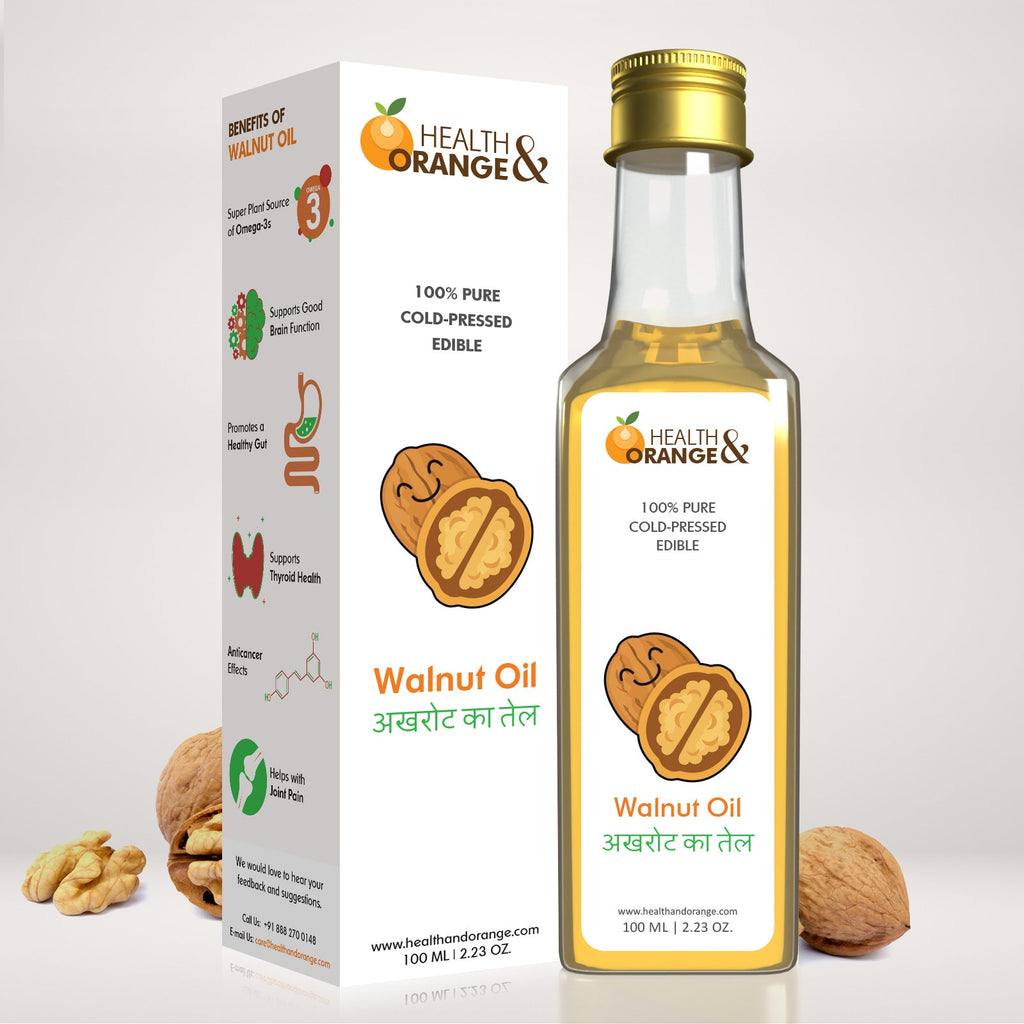
Walnut oil is another oil known for relatively fast absorption, especially on dry or mature skin. It contains omega-3 fatty acids that support the skin barrier while still sinking in well.
Compared to thicker oils, walnut oil absorbs more efficiently and leaves skin nourished rather than greasy when used in small amounts. It works particularly well on areas prone to dryness, such as elbows, knees, and hands.
If you are curious whether walnut oil changes skin tone or simply improves texture, you may want to understand whether walnut oil lightens skin, since absorption often gets confused with visual brightness.
Using a clean option like our pure cold-pressed walnut oil improves absorption and reduces the risk of residue or irritation.
Jojoba oil and sebum similarity
Jojoba oil is technically a liquid wax rather than a true oil, but it deserves mention because of its exceptional absorption. Its structure closely resembles human sebum, which allows it to integrate smoothly with the skin.
Because of this similarity, jojoba oil absorbs easily and helps regulate oil production rather than overwhelming the skin.
While jojoba oil is not part of your core internal linking set, it is often compared to almond and walnut oil in absorption discussions.
Grapeseed oil and fast absorption
Grapeseed oil is another lightweight oil known for quick absorption. It has a high linoleic acid content and feels almost dry on the skin after application.
It is often recommended for oily or acne-prone skin types because it absorbs quickly and does not leave a heavy film.
However, grapeseed oil can be less nourishing for very dry skin compared to almond or walnut oil.
Coconut oil and poor absorption
Coconut oil is a good example of an oil that does not absorb well for most skin types. It is high in saturated fats and tends to sit on the surface of the skin.
While it can be useful as an occlusive barrier for very dry skin, it often feels greasy and may clog pores for some people.
This contrast highlights why absorption matters when choosing an oil.
How skin type affects oil absorption
Dry skin absorbs oils more quickly because it lacks natural lipids. Oils that penetrate well help restore balance and comfort.
Normal skin benefits from medium-weight oils that absorb steadily without overwhelming the skin.
Oily skin often prefers fast-absorbing oils with a lighter feel. Heavy oils may sit on the surface and contribute to congestion.
Sensitive skin benefits from oils that absorb smoothly without irritation. Patch testing is always important.
How application method changes absorption
How you apply oil matters as much as which oil you choose.
- Applying oil to slightly damp skin improves absorption by trapping moisture and helping the oil spread more evenly.
- Using a small amount prevents residue. Overapplication is a common reason people feel an oil is not absorbing.
- Gentle massage improves penetration by increasing circulation and warming the skin slightly.
If you are unsure about leaving oils on the skin for extended periods, you may want to understand if it is ok to leave oil on face overnight to decide what works best for your routine.
Absorption vs pore clogging
An oil that absorbs well does not automatically mean it will not clog pores. Absorption refers to how quickly the oil sinks in, while comedogenic potential refers to how it interacts with pores.
Some oils absorb quickly but may still cause breakouts in acne-prone skin. This is why individual response matters more than general rankings.
Patch testing and gradual use help identify what works best for your skin.
Absorption for body vs face
Oils absorb differently on the body compared to the face. Body skin is thicker and often tolerates richer oils more easily.
Walnut oil and almond oil both absorb well on the body and are commonly used for massage and post-shower application.
Facial skin usually requires lighter application and more careful selection.
Why absorption affects skin appearance
Well-absorbed oils improve skin texture, softness, and glow without shine. This is why absorption often gets confused with brightening or lightening.
When skin is well hydrated and nourished, it reflects light more evenly, making it appear smoother and healthier.
This visual improvement is a surface effect rather than a pigment change.
Choosing the most absorbed oil for your needs
If you want an oil that absorbs quickly and feels light, almond oil and grapeseed oil are strong options.
If you want an oil that absorbs well while deeply nourishing dry or mature skin, walnut oil is a better choice.
If your skin is oily or combination, lighter oils or very small amounts of medium-weight oils work best.
Understanding your skin’s needs matters more than choosing the single fastest-absorbing oil.
Common myths about oil absorption
One myth is that faster absorption always means better oil. In reality, some skin types benefit from slower-absorbing oils that provide longer-lasting protection.
Another myth is that absorbed oil does nothing on the surface. In fact, even absorbed oils continue supporting the skin barrier.
Absorption is a balance, not a competition.
Safety considerations with absorbed oils
Highly absorbed oils still need to be high quality and properly stored. Rancid oils can irritate skin even if they absorb quickly.
People with nut allergies should avoid nut-based oils regardless of absorption rate.
If you want to understand broader safety issues, learning what are the side effects of walnut oil can help you use absorbed oils more responsibly.
Final thoughts on which oil is most absorbed by skin
There is no single oil that absorbs best for everyone, but almond oil and walnut oil consistently rank among the most well-absorbed natural oils for everyday use.
They penetrate the skin effectively, support the skin barrier, and leave minimal residue when applied correctly.
Choosing the right oil, using the right amount, and applying it properly matters more than chasing the fastest absorption.
When absorption works in harmony with your skin, the result is healthier, more comfortable, and better-looking skin.
FAQs
1. Which oil absorbs fastest into skin?
Lightweight oils like almond oil and grapeseed oil absorb very quickly.
2. Is walnut oil good for skin absorption?
Yes, it absorbs well, especially on dry or mature skin.
3. Does fast absorption mean better results?
Not always. The right oil depends on skin type and needs.
4. Can oily skin use absorbed oils?
Yes, with lighter oils and small amounts.
5. Does oil absorption change skin color?
No, it only improves texture and appearance.
6. Should oil be applied to dry or damp skin?
Slightly damp skin improves absorption.
7. Can absorbed oils clog pores?
They can, depending on skin type and oil choice.
8. Is almond oil better than coconut oil for absorption?
Yes, almond oil absorbs much better for most people.
9. Can absorbed oils replace moisturizers?
They can complement or partially replace them, depending on routine.
10. How long does it take for oil to absorb into skin?
Usually a few minutes if applied correctly.
Related post
06
Jan
06
Jan
05
Jan
RECENT POSTS