Which is the healthiest oil to use?
Which is the healthiest oil to use?
Choosing the healthiest oil to use is not as simple as picking one name and using it for everything. Different oils support health in different ways, and the healthiest option depends on how you cook, how often you use oil, and what your body actually needs.
The healthiest oil is one that is minimally processed, rich in beneficial fats, stable enough for your cooking method, and suitable for your overall lifestyle. Oils like olive oil, walnut oil, and almond oil are often considered among the healthiest, but each one plays a different role.
Understanding how oils affect the body helps you use them correctly rather than relying on marketing claims.
What makes an oil healthy?
A healthy oil starts with how it is made. Cold-pressed or unrefined oils retain more natural nutrients compared to heavily refined oils. These nutrients include antioxidants, essential fatty acids, and vitamins that support long-term health.
The type of fat matters as well. Oils high in monounsaturated and polyunsaturated fats are generally healthier than those high in trans fats or overly refined saturated fats.
Stability is another factor. An oil that breaks down easily at high heat can lose its benefits and create harmful compounds. The healthiest oil should match how you plan to use it.
If you enjoy learning how nutrition connects with overall vitality, reading a well-curated men's health blog can provide useful perspectives on topics that complement a balanced lifestyle.
Olive oil as a healthy everyday oil
Olive oil is often considered the healthiest oil for daily use, especially extra virgin olive oil. It is rich in monounsaturated fats that help support heart health and reduce bad cholesterol levels.
Olive oil also contains antioxidants and polyphenols that help fight inflammation and oxidative stress. These properties are one reason olive oil is central to Mediterranean diets linked to longevity.
It works well for low to medium-heat cooking, salad dressings, and everyday meals. Its stability and versatility make it a reliable daily oil for many households.
Walnut oil and its health benefits
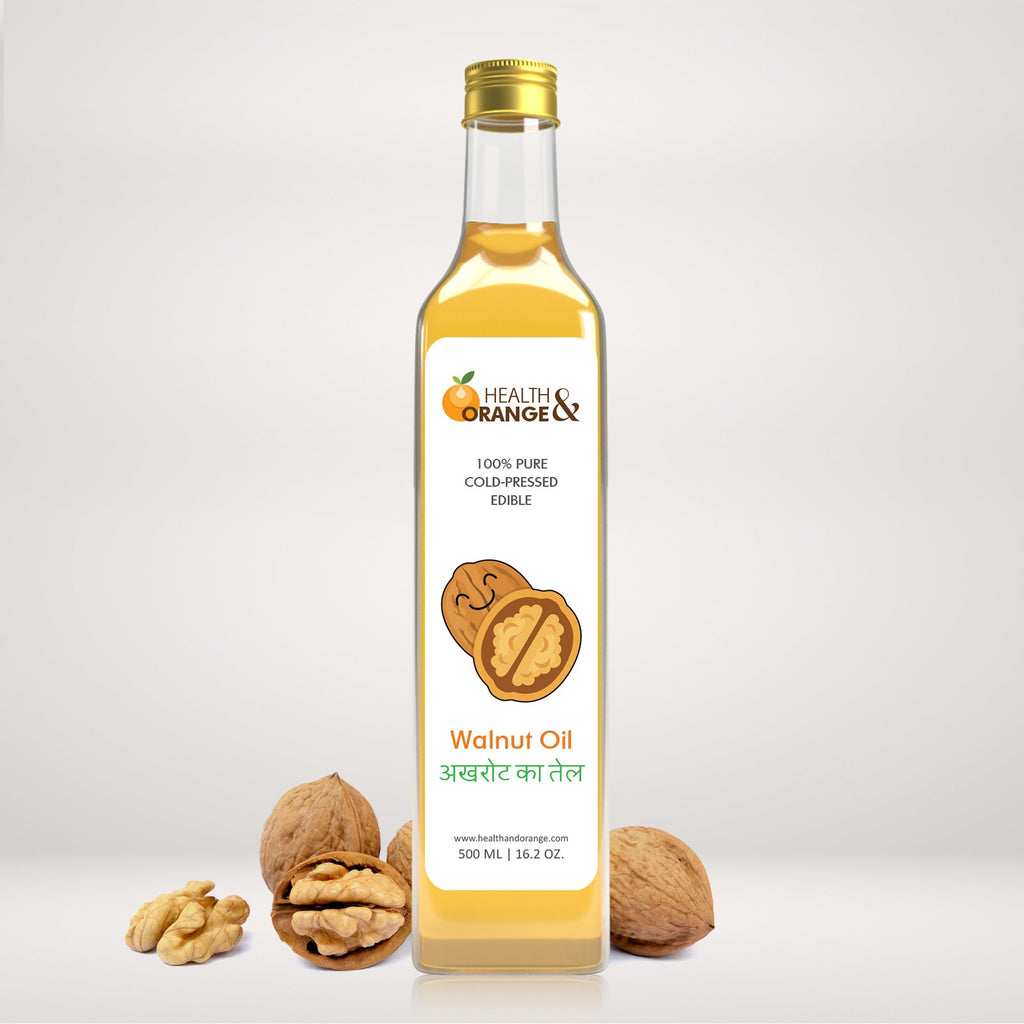
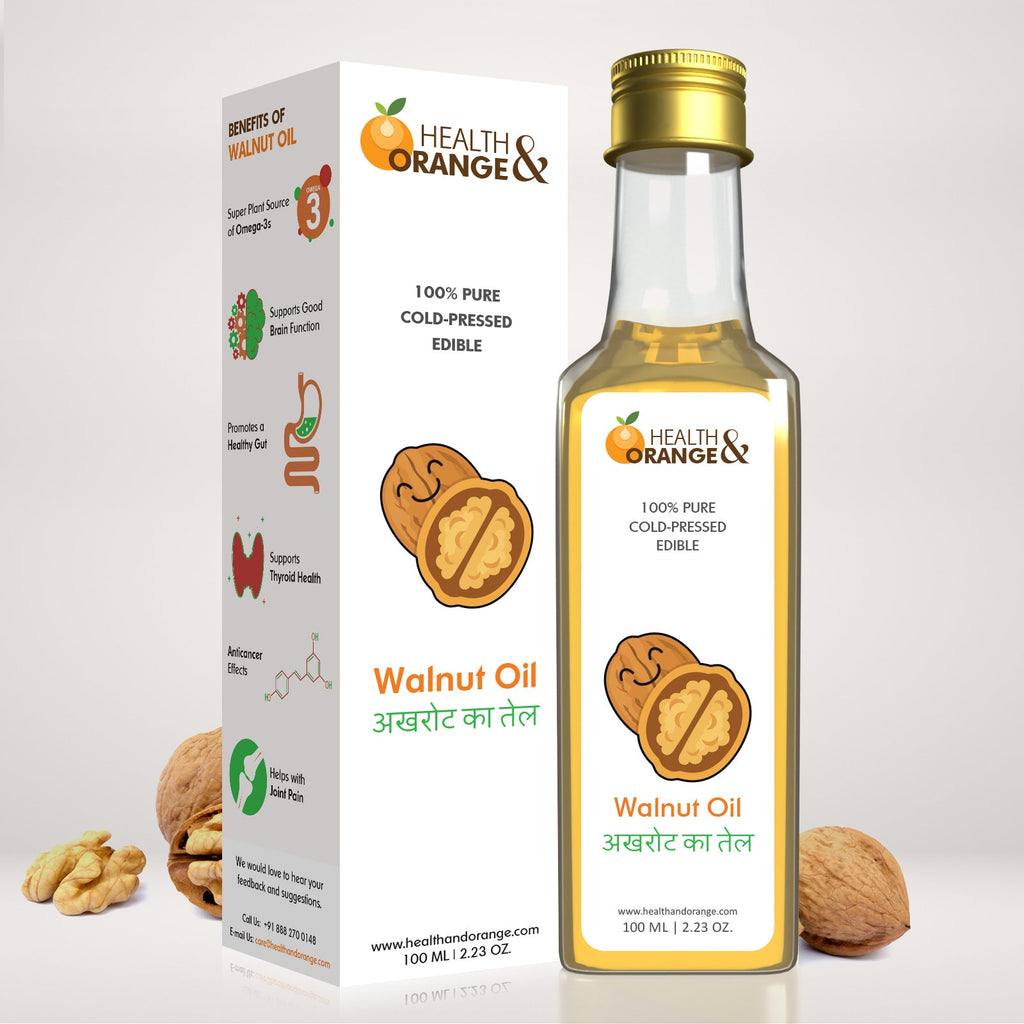
Walnut oil stands out because of its omega-3 fatty acid content. Omega-3 fats support heart health, brain function, and inflammation control. Few plant-based oils naturally provide these fats in meaningful amounts.
Walnut oil has a delicate structure, which means it should not be used for high-heat cooking. It works best as a finishing oil, salad dressing, or added after cooking.
If you are deciding between popular oils, you may want to explore what is better for you, walnut oil or olive oil to understand how each one supports health differently.
Using walnut oil alongside olive oil rather than replacing it often gives the best nutritional balance.
Almond oil as a gentle, nutrient-rich option
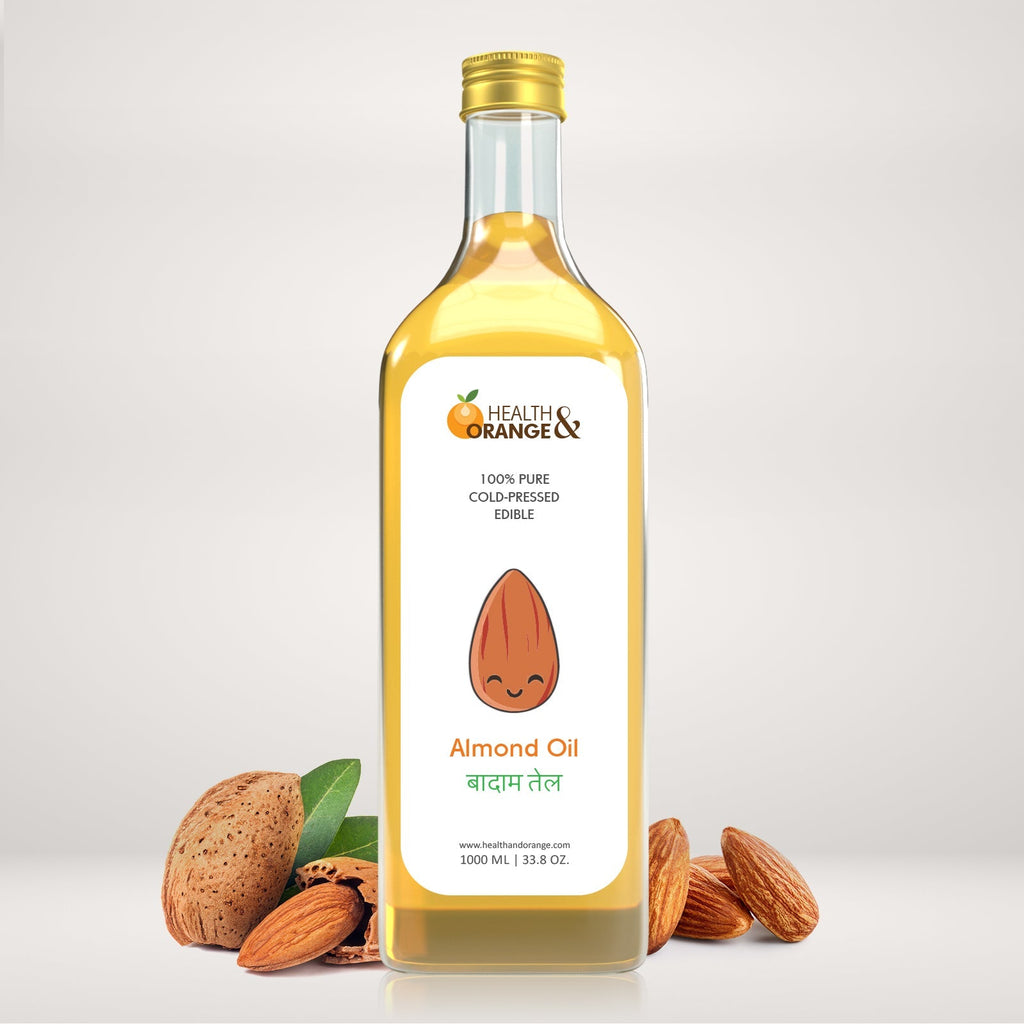
Edible almond oil is another healthy oil known for its light texture and vitamin E content. It supports heart health, digestion, and skin nourishment when used internally or externally.
Almond oil has a mild flavor that works well in low-heat cooking, baking, and drizzling over food. It is also commonly used for skin and hair care due to its easy absorption.
If you are cautious about consuming nut-based oils, checking if almond oil is safe to ingest can help you understand how to use it safely.
Which oil is healthiest for cooking?
For cooking, the healthiest oil is one that remains stable at the temperature you use.
Olive oil is suitable for most everyday cooking needs. It handles sautéing and roasting better than delicate oils.
Walnut oil and almond oil should be used at low heat or added after cooking to preserve their nutrients. Heating them too much can damage their beneficial fats.
No single oil is healthiest for all cooking styles. Matching the oil to the cooking method is key.
Which oil is healthiest for heart health?
Heart health depends largely on fat quality. Oils high in monounsaturated fats, like olive oil, support healthy cholesterol levels.
Walnut oil adds value by supplying omega-3 fats, which help reduce inflammation and support cardiovascular function.
Almond oil also supports heart health through its vitamin E and unsaturated fat content.
Using a combination of these oils rather than relying on one provides broader benefits.
Which oil is healthiest for skin and hair?
The healthiest oil for skin and hair is one that absorbs well and supports the skin barrier without clogging pores.
Walnut oil absorbs efficiently and supports dry or mature skin. Almond oil is gentle and works well for sensitive skin types.
If absorption matters to you, learning which oil is most absorbed by skin helps clarify why lighter oils often feel better on the skin.
Olive oil can be useful for very dry skin but may feel heavy for some people.
Healthiest oil does not mean most expensive
Price does not always reflect health value. A healthy oil is fresh, properly stored, and used correctly.
Even the best oil can become unhealthy if it is overheated, overused, or stored poorly.
Cold-pressed oils should be protected from heat and light to avoid rancidity.
Understanding oil labels and storage practices is just as important as choosing the oil itself.
Oils that are less healthy to use regularly
Highly refined vegetable oils and oils containing trans fats are generally less healthy. These oils often lose nutrients during processing and may contribute to inflammation when used excessively.
Using heavily refined oils as a primary fat source can displace healthier options like olive, walnut, or almond oil.
Moderation and quality matter more than variety.
How to choose the healthiest oil for your lifestyle
The healthiest oil is one that fits naturally into your routine. If you cook daily, olive oil is a practical base oil. If you want extra nutritional support, walnut oil adds value when used correctly.
If you prioritize gentle digestion and skin health, almond oil may suit you best.
Many people benefit from using more than one oil for different purposes.
Is it healthy to rotate oils?
Yes, rotating oils can help balance fat intake and nutrient diversity. Different oils offer different benefits.
Using olive oil for cooking, walnut oil for salads, and almond oil for baking or skincare creates a balanced approach without overdependence on one oil.
This strategy also reduces the risk of nutrient imbalance.
How much oil is healthy to use?
Even healthy oils are calorie-dense. Using too much can lead to weight gain or digestive discomfort.
Small amounts used consistently are more beneficial than heavy consumption.
Listening to your body and adjusting intake matters.
Final thoughts on the healthiest oil to use
There is no single healthiest oil for everyone. Olive oil is often the best everyday option due to its stability and heart benefits. Walnut oil stands out for omega-3 support. Almond oil offers gentle nourishment and versatility.
The healthiest choice is using the right oil, in the right way, at the right time.
A thoughtful combination of high-quality oils supports long-term health better than relying on just one.
FAQs
1. Which oil is the healthiest overall?
Olive oil is often considered the healthiest for daily use, but walnut and almond oils add unique benefits.
2. Is walnut oil healthier than olive oil?
It offers more omega-3 fats, but olive oil is more stable for cooking.
3. Can I cook with walnut oil?
Only at low heat or as a finishing oil.
4. Is almond oil healthy to eat daily?
Yes, in small amounts if it is food-grade.
5. Which oil is best for heart health?
Olive oil and walnut oil both support heart health.
6. Which oil absorbs best into skin?
Walnut oil and almond oil absorb well for most skin types.
7. Are refined oils unhealthy?
They are generally less nutritious than cold-pressed oils.
8. Can I use one oil for everything?
It is better to use different oils for different purposes.
9. How should healthy oils be stored?
In a cool, dark place, tightly sealed.
10. Is using oil daily unhealthy?
No, when used in moderation and chosen wisely.
Related post
06
Jan
06
Jan
05
Jan
RECENT POSTS