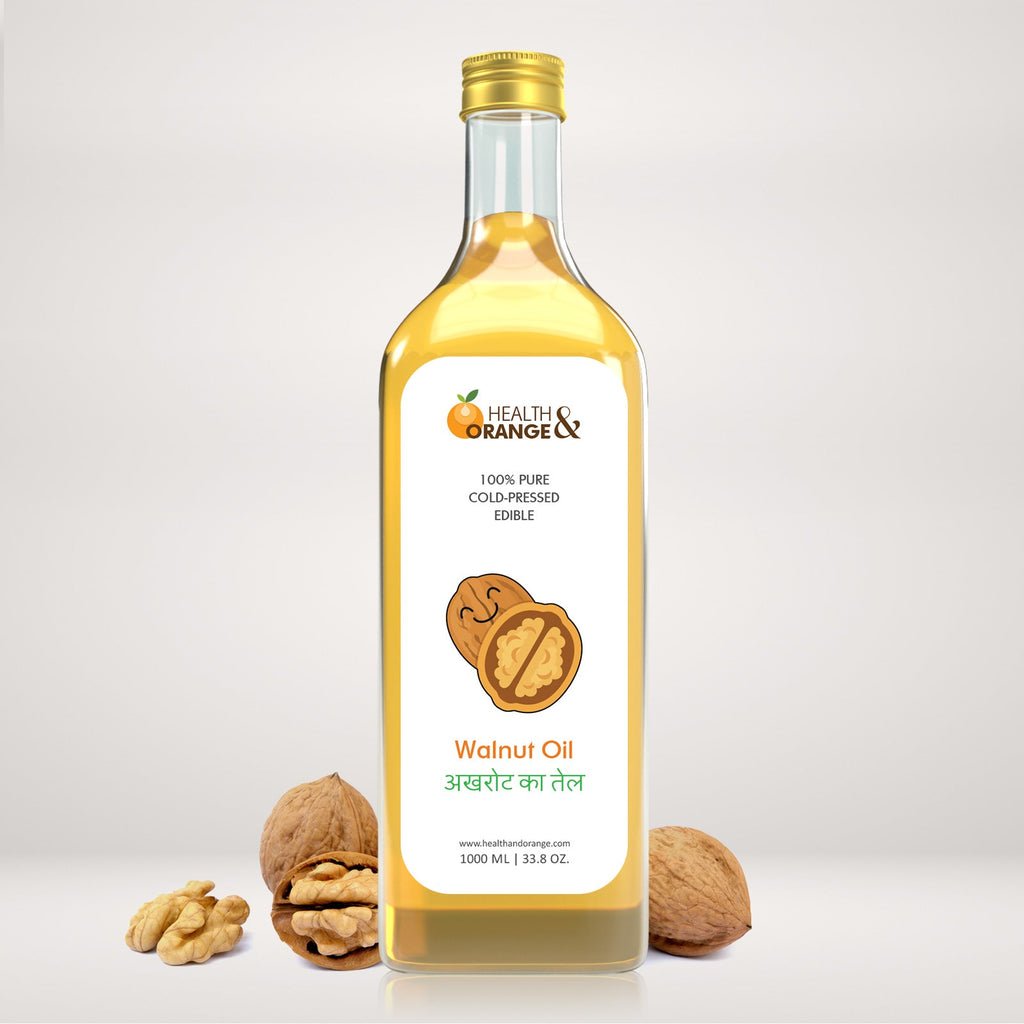
Is walnut oil good for you
Is walnut oil good or bad for you?
Walnut oil is generally good for you when used properly and in moderation. It is rich in healthy fats and antioxidants that support overall wellness, but it can become harmful if overused, poorly stored, or used by people who should avoid nut-based products. Whether walnut oil is good or bad depends on how you use it and your individual health needs.
Understanding both the benefits and the limitations helps you decide if walnut oil belongs in your routine.
Why walnut oil is considered good for you
Walnut oil is naturally high in omega-3 fatty acids, which are known to support heart health and help reduce inflammation in the body. These fats play a role in maintaining healthy cholesterol levels and supporting brain function.
It also contains antioxidants that help protect cells from oxidative stress. This makes walnut oil useful not only for internal health but also for skin nourishment when applied externally.
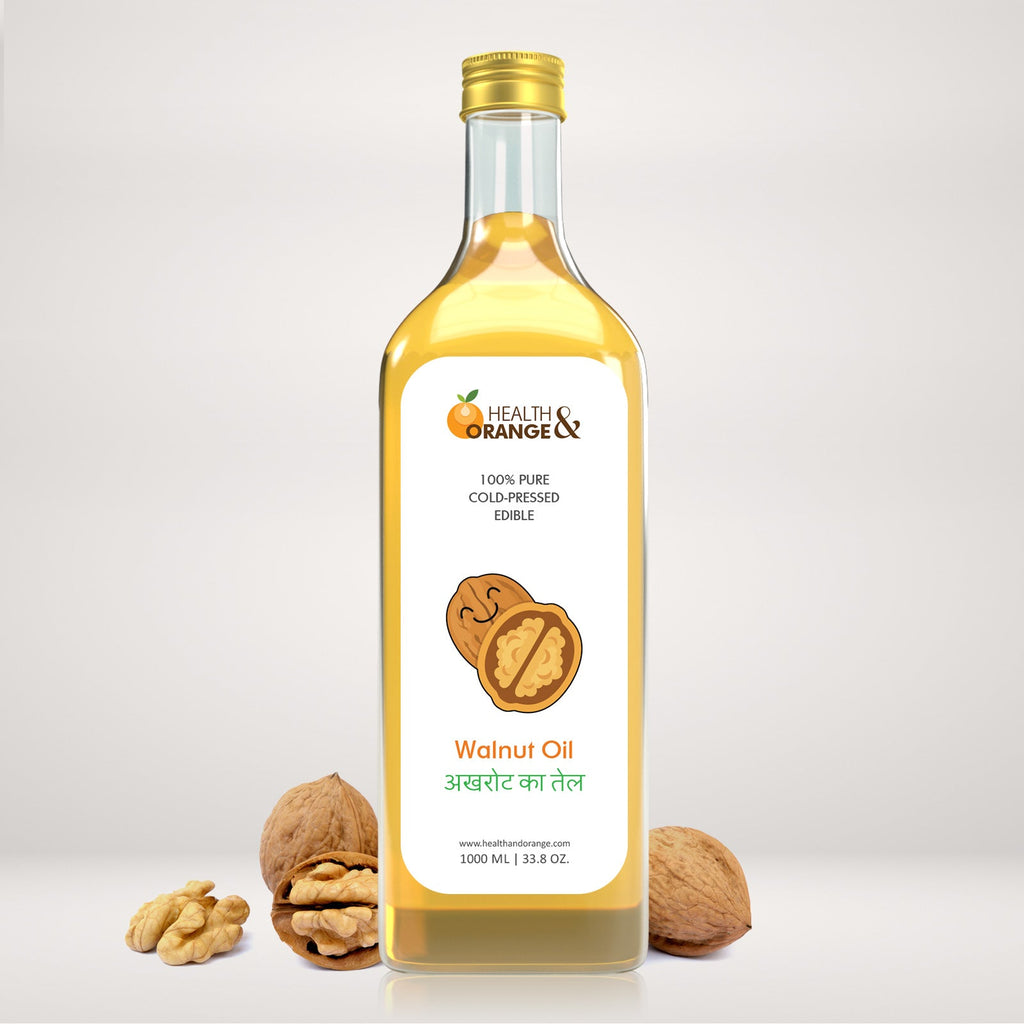
If you are choosing walnut oil for regular use, opting for a high-quality option like our pure cold-pressed walnut oil helps ensure you are getting the nutritional benefits without unnecessary additives.
Is walnut oil safe to eat?
Walnut oil is safe for most people when consumed in small amounts. It is commonly used as a finishing oil in salads, dressings, and cold dishes rather than for cooking at high temperatures.
Walnut oil is sensitive to heat, and using it for frying or high-heat cooking can damage its healthy fats. This reduces its benefits and may make it harder to digest. It works best when added after cooking or used raw.
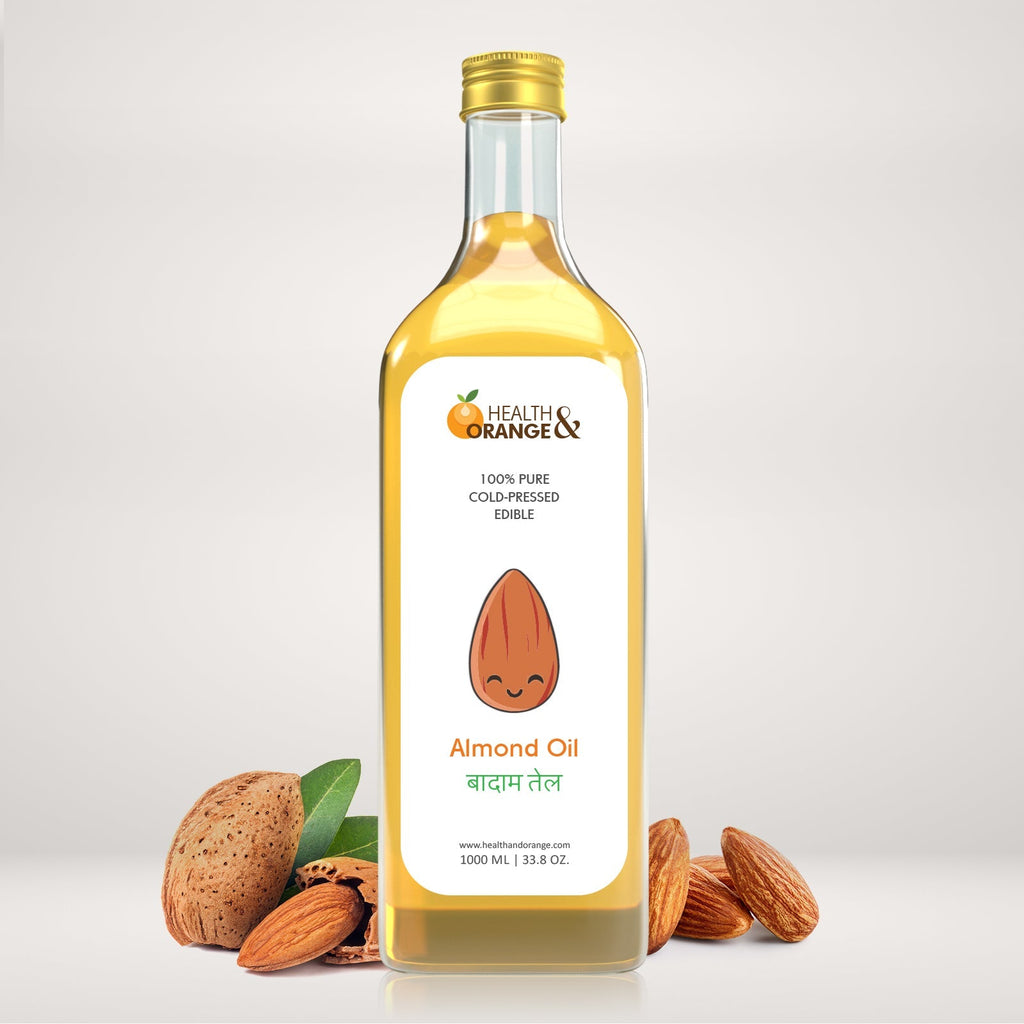
If you are careful about nut-based oils in general, you may want to check if almond oil is safe to ingest before adding similar oils regularly to your diet.
How walnut oil affects your skin
Walnut oil is widely used in skincare because it deeply nourishes the skin and supports the skin barrier. Its fatty acids help reduce dryness, while antioxidants support skin repair and smoothness.
Some people assume that walnut oil changes skin color. It does not. It improves texture and glow, which can make the skin look brighter and healthier. If you are curious about this effect, you may want to learn whether walnut oil can lighten skin to set realistic expectations.
When applied topically, walnut oil works best on slightly damp skin to help lock in moisture.
When walnut oil may be bad for you
Walnut oil is not suitable for everyone. People with nut allergies should avoid it entirely unless a healthcare professional advises otherwise.
Overuse is another concern. Walnut oil is calorie-dense, and consuming too much can contribute to weight gain or digestive discomfort. Moderation is key.
Storage also matters. Walnut oil can turn rancid quickly if exposed to heat, light, or air. Rancid oil loses its health benefits and may cause stomach upset.
Is walnut oil useful for joint and body care?
Walnut oil is sometimes used for massage because it absorbs well and leaves the skin soft. While it does not treat medical conditions, massage with nourishing oils can help support comfort and flexibility.
If you are exploring oils for joint care, you may want to learn if almond oil is good for knee pain to understand how oils are commonly used to support joints through massage.
Walnut oil should always be viewed as supportive care rather than a medical solution.
Walnut oil compared to other oils
Compared to many refined vegetable oils, walnut oil offers more nutritional value because of its fatty acid profile. However, it is not meant to replace all cooking oils.
It works best as a complementary oil used occasionally rather than daily for cooking. Pairing it with more heat-stable oils allows you to enjoy its benefits safely.
Quality makes a difference. Fresh, well-stored walnut oil delivers benefits, while low-quality oil does not.
How to use walnut oil safely
For eating, use walnut oil sparingly and mainly in cold dishes. Store it in a cool, dark place, and refrigerate it after opening to extend its shelf life.
For skin use, apply a small amount and massage gently. A patch test is recommended, especially if you have sensitive skin.
If you already use facial oils, you may want to check if almond oil can be used on the face since many oil-use guidelines apply to walnut oil as well.
Who should avoid walnut oil
People with nut allergies should avoid walnut oil completely. Those who struggle with digesting high-fat foods may also need to limit intake.
If you are pregnant, nursing, or managing a medical condition, it is best to consult a healthcare professional before adding walnut oil to your diet or routine.
Final thoughts on whether walnut oil is good or bad for you
Walnut oil is good for you when used correctly, stored properly, and consumed in moderation. It supports heart health, skin nourishment, and overall wellness.
It becomes bad only when misused, overconsumed, or used by people who should avoid nut-based products. Used thoughtfully, walnut oil can be a beneficial addition to a balanced lifestyle.
For offices and shared workspaces, access to better food options can support healthier daily choices, which is why many businesses rely on Dallas vending services to keep nutritious snacks and essentials readily available.
FAQs
1. Is walnut oil healthy to eat every day?
It can be healthy in small amounts, but daily use should remain moderate.
2. Can walnut oil cause side effects?
Side effects are uncommon but may include digestive discomfort or allergic reactions.
3. Is walnut oil better than olive oil?
They serve different purposes. Walnut oil is better for cold use, while olive oil is more suitable for cooking.
4. Does walnut oil help reduce inflammation?
Yes, its omega-3 fats may help reduce inflammation when used in moderation.
5. Can walnut oil be used on sensitive skin?
Some people can use it, but patch testing is important.
6. Is walnut oil good for heart health?
Yes, its healthy fats support cardiovascular health.
7. Can walnut oil spoil quickly?
Yes, it can turn rancid if not stored properly.
8. Should walnut oil be refrigerated after opening?
Yes, refrigeration helps extend its shelf life.
9. Is walnut oil good for hair care?
It can help nourish dry hair and scalp when used occasionally.
10. Who should completely avoid walnut oil?
People with nut allergies should avoid it entirely.
Related post
28
Dec
28
Dec
25
Dec
22
Dec
21
Dec
RECENT POSTS