Can I substitute walnut oil for olive oil?
Can I substitute walnut oil for olive oil?
Yes, you can substitute walnut oil for olive oil in certain situations, but not in every case. The two oils have different heat tolerance, flavor profiles, and nutritional strengths. Walnut oil works well as a substitute for olive oil in cold dishes and low-heat uses, but it is not suitable for all cooking methods where olive oil is commonly used.
Understanding when walnut oil works as a substitute and when it does not helps you avoid wasting oil, losing nutrients, or compromising taste.
Why people consider substituting walnut oil for olive oil
Olive oil is often the default healthy oil in many kitchens, but people explore alternatives for different reasons. Some want variety in flavor, others want more omega-3 fats, and some are looking for oils that feel lighter or absorb differently.
Walnut oil stands out because it is nutrient-rich, mildly flavored, and considered a premium cold-pressed oil. It is especially appealing for people who already use olive oil daily and want an additional option rather than a replacement.
Before substituting, it is important to understand how the two oils differ.
Key differences between walnut oil and olive oil
The biggest difference between walnut oil and olive oil lies in their fat composition and heat stability.
Walnut oil is high in polyunsaturated fats, including omega-3 fatty acids. These fats are beneficial but delicate. They break down easily when exposed to high heat.
Olive oil is rich in monounsaturated fats, which are more stable. This makes olive oil suitable for sautéing, roasting, and everyday cooking.
Flavor is another difference. Walnut oil has a subtle nutty taste, while olive oil can range from mild to peppery depending on the variety.
These differences determine whether substitution makes sense.
When you can substitute walnut oil for olive oil
Walnut oil can replace olive oil very well in cold and low-heat applications.
Salad dressings are one of the best places to substitute walnut oil. Its nutty flavor adds depth to fresh greens, vegetables, and grain salads.
Walnut oil also works well as a finishing oil. Drizzling it over cooked vegetables, pasta, or soups after cooking preserves its nutrients and enhances flavor.
In baking, walnut oil can replace olive oil in recipes that do not require high heat during preparation. It adds moisture and a subtle richness without overpowering other ingredients.
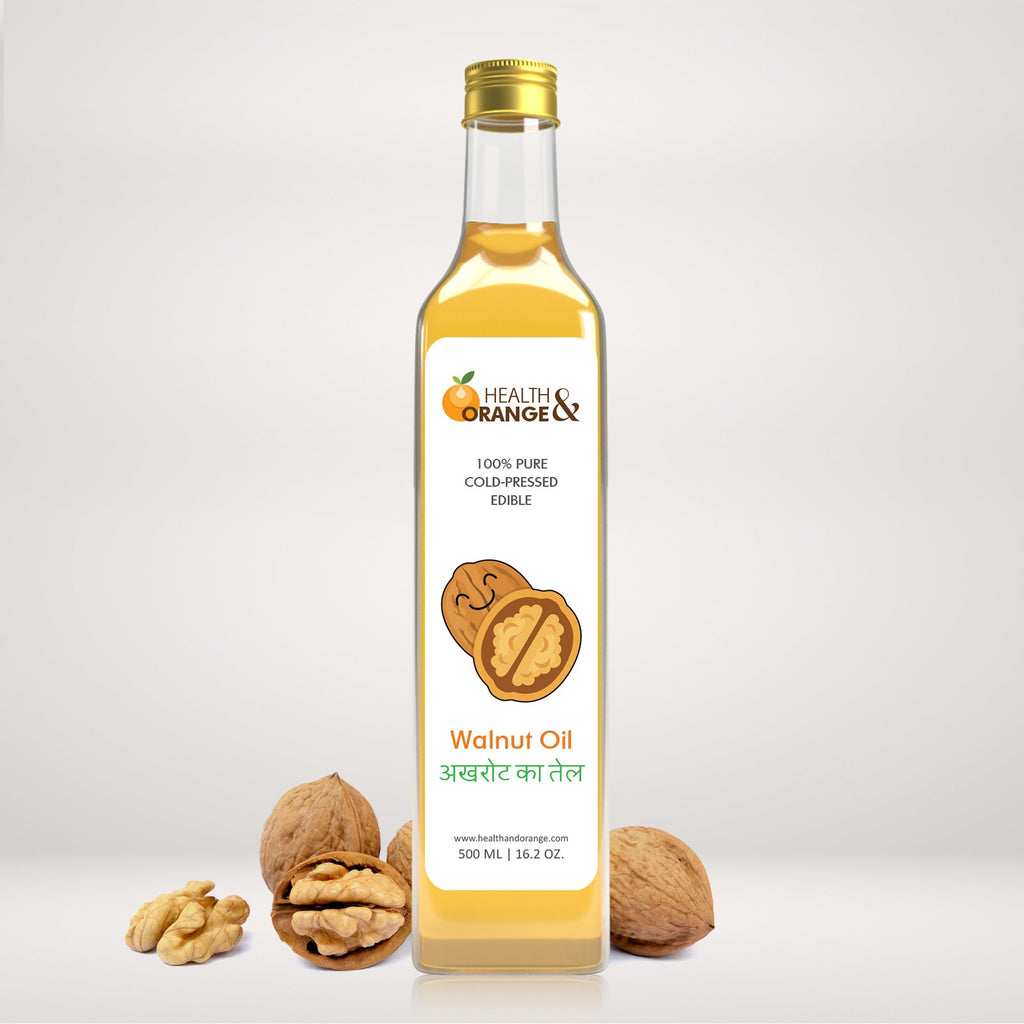
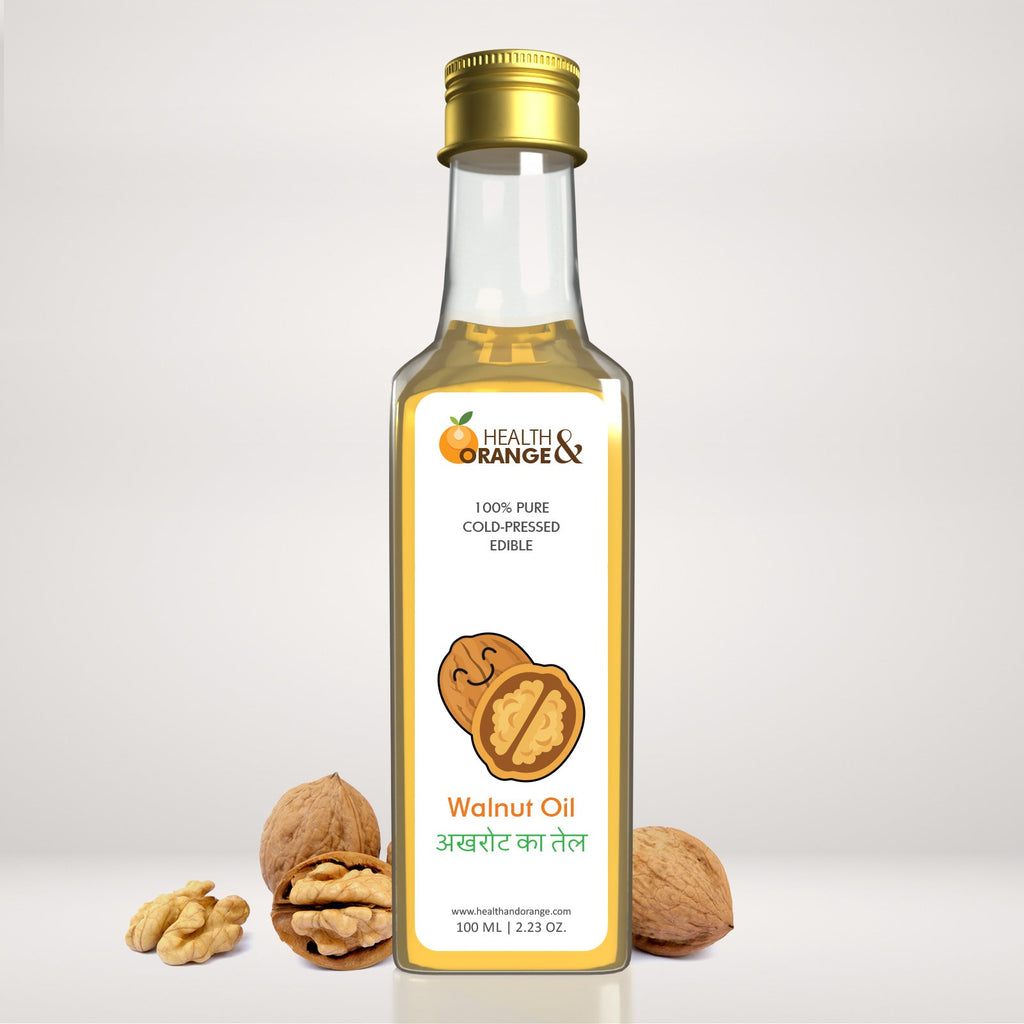
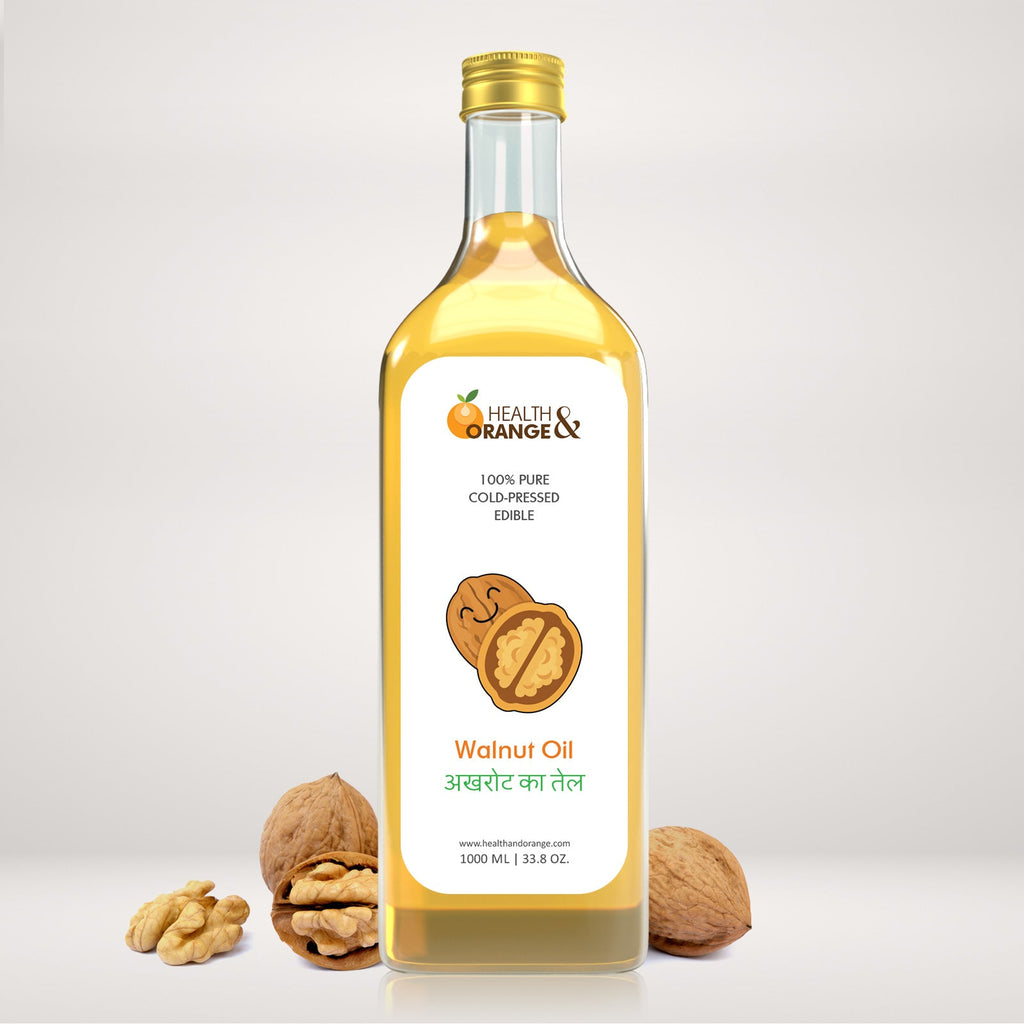
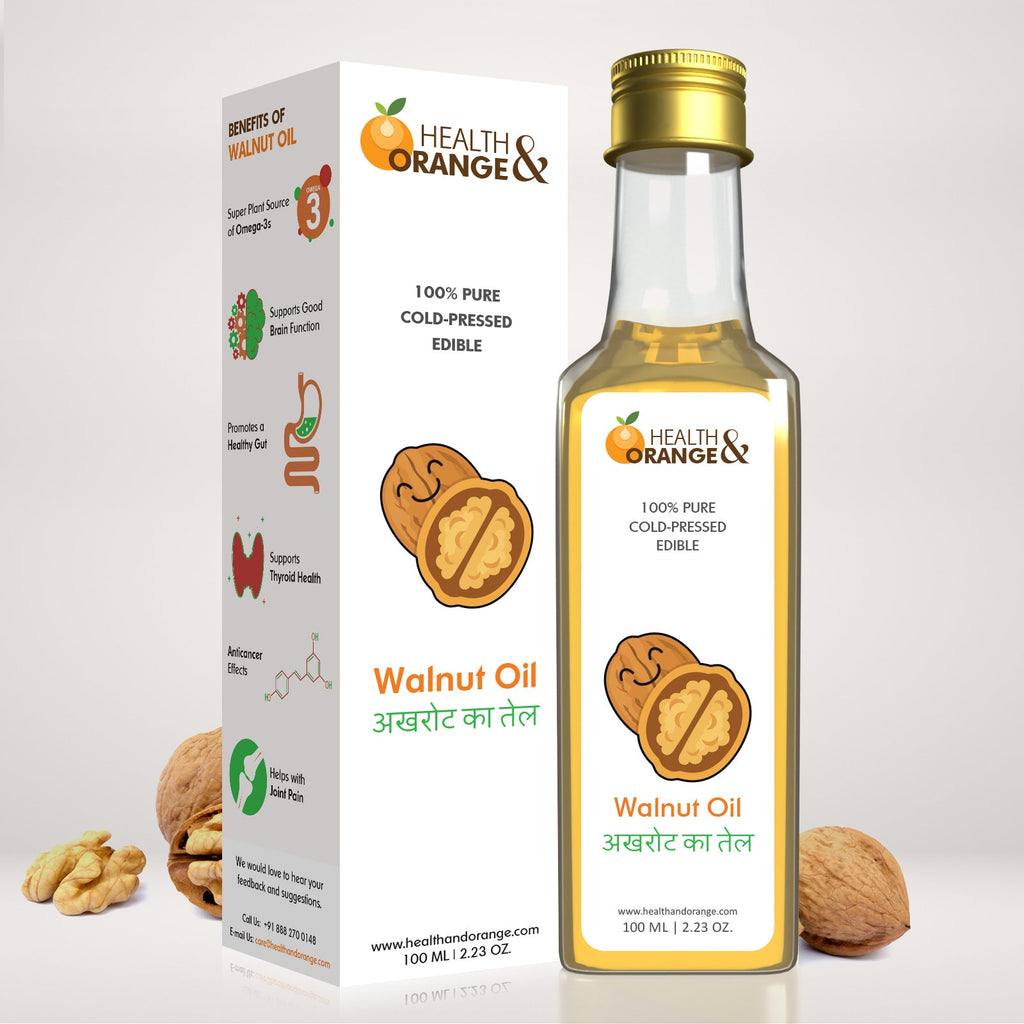
If you are choosing a quality option, using our pure cold-pressed walnut oil ensures better flavor and nutrient retention.
When walnut oil should not replace olive oil
Walnut oil should not be used as a substitute for olive oil in high-heat cooking.
Frying, sautéing at high temperatures, and roasting at high heat can damage walnut oil. When overheated, its delicate fats oxidize, reducing health benefits and potentially creating unwanted compounds.
Olive oil is much better suited for these uses because it remains stable under moderate heat.
If olive oil is being used for cooking rather than finishing, it is usually best not to substitute walnut oil.
Nutritional comparison when substituting
From a nutritional standpoint, walnut oil and olive oil both offer benefits, but they are not identical.
Walnut oil provides omega-3 fatty acids that support heart health, brain function, and inflammation control. Few plant oils naturally contain these fats in meaningful amounts.
Olive oil provides monounsaturated fats and antioxidants that support cardiovascular health and cholesterol balance.
If your goal is to increase omega-3 intake, substituting walnut oil for olive oil in salads and cold dishes can be beneficial.
If your goal is overall daily heart support and cooking versatility, olive oil remains important.
For a deeper comparison, you may want to understand what is better for you, walnut oil or olive oil to decide how to use each oil strategically.
Flavor considerations when substituting
Flavor is often the deciding factor in substitution.
Walnut oil has a delicate, nutty flavor that works well in lighter dishes. It pairs especially well with leafy greens, fruits, cheese, and roasted vegetables.
Olive oil has a more robust flavor that complements savory, Mediterranean-style dishes.
Substituting walnut oil for olive oil can change the character of a dish. This can be a positive change in salads or baked goods, but it may not suit all recipes.
Taste testing in small amounts helps determine preference.
Walnut oil vs olive oil for skin and hair use
Substitution is not limited to food. Many people also use these oils for skin and hair care.
Walnut oil absorbs well and is rich in fatty acids that support the skin barrier. It is often preferred for dry or mature skin.
Olive oil is heavier and more occlusive. It can work for very dry skin but may feel greasy for some people.
If absorption is important, learning which oil is most absorbed by skin helps explain why walnut oil often feels lighter than olive oil.
For hair care, walnut oil nourishes and adds shine without weighing hair down as much as olive oil can.
Health and safety considerations
Walnut oil should be avoided by people with nut allergies. This is a major factor that prevents substitution for some individuals.
Walnut oil also has a shorter shelf life than olive oil. It can turn rancid quickly if not stored properly.
If you want to understand potential risks, learning what are the side effects of walnut oil helps ensure safe use.
Olive oil is generally more forgiving in storage and less likely to spoil quickly.
Storage differences that affect substitution
Walnut oil should be stored in a cool, dark place and ideally refrigerated after opening. Exposure to heat and light can degrade it rapidly.
Olive oil should also be stored away from light and heat, but it is more stable at room temperature.
If you want a low-maintenance oil for everyday use, olive oil is easier to manage.
If you are willing to store walnut oil carefully, it becomes a valuable specialty oil.
Can walnut oil fully replace olive oil?
Walnut oil should not fully replace olive oil in most kitchens.
Olive oil is more versatile, stable, and suitable for daily cooking. Walnut oil is best used as a complementary oil rather than a complete substitute.
Using both oils allows you to benefit from their strengths without sacrificing functionality.
A common approach is to cook with olive oil and finish or dress dishes with walnut oil.
Using both oils together
There is no rule that says you must choose one oil.
Many people use olive oil as their primary cooking oil and walnut oil as a finishing oil or salad oil.
This approach provides a balance of monounsaturated fats from olive oil and omega-3 fats from walnut oil.
It also adds variety to flavor and nutrition without complicating cooking routines.
For people focused on health, this combination often works better than substitution alone.
Who should consider substituting walnut oil for olive oil
Substituting walnut oil for olive oil makes sense for people who want more omega-3 fats, enjoy nutty flavors, and mainly use oil for cold dishes.
It is also useful for people who bake or prepare raw foods where heat is minimal.
Those who cook frequently at high temperatures or want one oil for everything should rely more on olive oil.
Common mistakes when substituting walnut oil
One common mistake is heating walnut oil too much. This destroys its benefits and can affect taste.
Another mistake is using too much oil. Walnut oil is rich and concentrated, so small amounts go a long way.
Improper storage is another issue. Rancid walnut oil loses both flavor and nutritional value.
Being mindful of these points helps substitution work smoothly.
Final thoughts on substituting walnut oil for olive oil
You can substitute walnut oil for olive oil, but only in the right contexts.
Walnut oil works beautifully in salads, finishing, baking, and low-heat uses. Olive oil remains the better choice for cooking and everyday versatility.
Rather than choosing one over the other, using both oils intentionally provides the best balance of flavor, nutrition, and practicality.
FAQs
1. Can walnut oil replace olive oil in salads?
Yes, walnut oil works very well in salad dressings.
2. Can I cook with walnut oil instead of olive oil?
Only at low heat. It is not suitable for high-heat cooking.
3. Is walnut oil healthier than olive oil?
It offers more omega-3 fats, but olive oil is more versatile.
4. Does walnut oil taste like walnuts?
It has a mild, nutty flavor that is not overpowering.
5. Can walnut oil be used for frying?
No, it should not be used for frying.
6. Is walnut oil good for baking?
Yes, it works well in baking recipes.
7. Which oil lasts longer, walnut or olive oil?
Olive oil has a longer shelf life.
8. Can walnut oil replace olive oil for skin care?
Yes, it absorbs well and works for many skin types.
9. Should walnut oil be refrigerated?
Yes, refrigeration helps preserve freshness.
10. Is it better to use both oils?
Yes, using both oils strategically offers the best benefits.
Related post
06
Jan
06
Jan
05
Jan
RECENT POSTS