What is better for you, walnut oil or olive oil?
What is better for you, walnut oil or olive oil?
The question of whether walnut oil or olive oil is better for you does not have a one-size-fits-all answer. Both oils are considered healthy, natural fats with proven benefits, but they serve slightly different purposes depending on your diet, health goals, and how you use them. The real difference lies in their nutrient composition, cooking suitability, and how they support overall wellness.
Instead of choosing one over the other blindly, it helps to understand what each oil offers and when one may be more suitable than the other.
Understanding the basics of walnut oil and olive oil
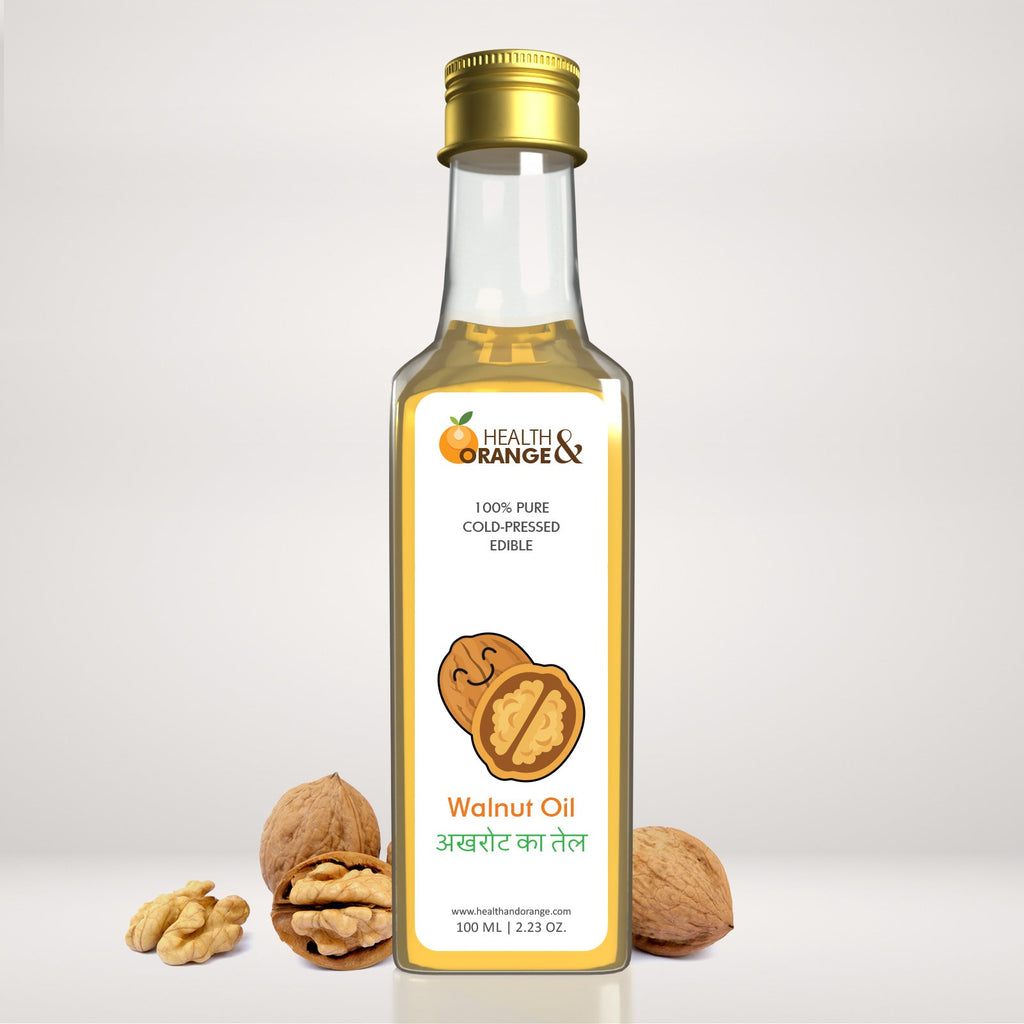
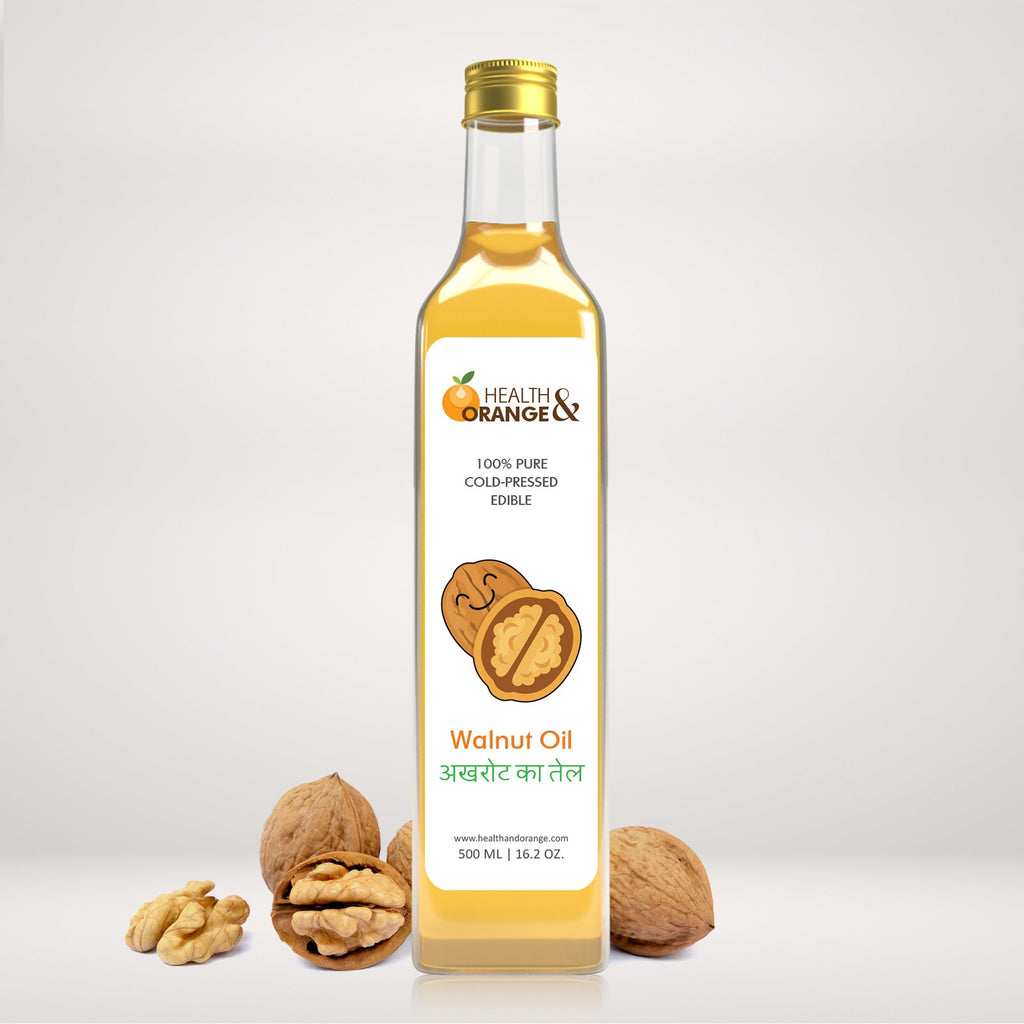
Walnut oil is extracted from whole walnuts and is usually cold-pressed to preserve its delicate nutrients. It has a light texture, mild nutty flavor, and is especially rich in polyunsaturated fats, including omega-3 fatty acids.
Olive oil is extracted from olives and is most commonly used in its extra virgin form. It has a more robust flavor and is high in monounsaturated fats, particularly oleic acid, which is known for heart health benefits.
Both oils come from plant sources, are cholesterol-free, and are widely used in traditional diets linked to longevity and reduced risk of chronic disease.
Nutritional comparison between walnut oil and olive oil
One of the biggest differences between walnut oil and olive oil is their fat composition.
Walnut oil is one of the few plant-based oils naturally high in omega-3 fatty acids. These fats play a role in reducing inflammation, supporting brain health, and maintaining heart function. Walnut oil also contains omega-6 fats, which are essential but should be balanced with omega-3 intake.
Olive oil, especially extra virgin olive oil, is rich in monounsaturated fats. These fats help lower bad cholesterol levels while maintaining good cholesterol. Olive oil also contains polyphenols and antioxidants that support cardiovascular health.
If your diet lacks omega-3 fats, walnut oil may offer a unique advantage. If your focus is heart health and cholesterol balance, olive oil is often the go-to option.
Walnut oil benefits for internal health
Walnut oil supports heart health primarily through its omega-3 content. These fats help reduce inflammation and may lower the risk of heart disease when consumed in moderation.
Walnut oil also supports brain function due to its fatty acid profile. Omega-3 fats are essential for cognitive health and nerve function, making walnut oil a supportive addition to mental wellness routines.
Because walnut oil is calorie-dense, moderation matters. If you want a clearer picture of how walnut oil affects overall health, you may want to understand if walnut oil is good for you before adding it regularly to your diet.
Olive oil benefits for internal health
Olive oil has been studied extensively, particularly in Mediterranean diets. Its monounsaturated fats help protect the heart, reduce LDL cholesterol, and improve blood vessel function.
Extra virgin olive oil also contains antioxidants and anti-inflammatory compounds that help protect against oxidative stress. These compounds are believed to play a role in reducing the risk of heart disease and supporting metabolic health.
Olive oil is also easier to digest for many people and is often better tolerated when used daily.
Which oil is better for cooking?
Cooking use is one of the most practical differences between walnut oil and olive oil.
Walnut oil has a low smoke point, which means it should not be used for high-heat cooking. Heating walnut oil can damage its delicate fats and reduce its nutritional value. It works best as a finishing oil, salad dressing, or drizzle over prepared foods.
Olive oil has a higher smoke point, especially refined or light olive oil, making it more suitable for sautéing, roasting, and light frying. Extra virgin olive oil can also be used for low to medium-heat cooking.
If you cook frequently, olive oil is more versatile. Walnut oil is better reserved for cold or low-heat uses.
Taste and culinary experience
Walnut oil has a subtle nutty flavor that enhances salads, vegetables, and baked goods. It adds depth without overpowering dishes.
Olive oil has a stronger, more distinctive taste that can range from mild to peppery. This flavor works well in savory dishes, pasta, and Mediterranean-style cooking.
Taste preference plays a role here. Walnut oil is often favored for delicate dishes, while olive oil suits bold flavors.
Walnut oil vs olive oil for skin health
Both oils are used topically, but they behave differently on the skin.
Walnut oil absorbs well and is rich in fatty acids that support the skin barrier. It works especially well for dry or mature skin, helping restore softness and elasticity.
Olive oil is heavier and more occlusive. While it can moisturize very dry skin, it may feel greasy or clog pores for some skin types.
If absorption matters to you, learning which oil is most absorbed by skin can help you decide which oil suits your skin best.
Walnut oil vs olive oil for hair care
Walnut oil is often used for hair nourishment because it helps reduce dryness, improve shine, and support scalp health. It strengthens hair strands and reduces breakage.
Olive oil is also used for hair care, particularly for deep conditioning. However, it is heavier and may be difficult to wash out for some hair types.
If your concern includes hair appearance, you may want to understand whether walnut oil darkens hair to separate myths from actual effects.
Safety and side effects
Both oils are generally safe, but there are differences in sensitivity.
Walnut oil should be avoided by people with nut allergies. Overuse can also lead to digestive discomfort or weight gain due to high calorie content. Improper storage can cause walnut oil to turn rancid quickly.
If you want a deeper look at risks, learning what are the side effects of walnut oil can help you use it responsibly.
Olive oil is generally well tolerated but can still contribute to weight gain if consumed excessively. Some people may experience digestive discomfort with very high intake.
Shelf life and storage
Walnut oil is delicate and should be stored in a cool, dark place, preferably refrigerated after opening. Exposure to heat, light, or air can cause it to spoil quickly.
Olive oil has a longer shelf life and is more stable, especially when stored properly away from heat and light.
If convenience matters, olive oil is easier to store and maintain.
Which oil is better for daily use?
For daily cooking and general use, olive oil is often the better option due to its versatility, stability, and well-researched health benefits.
For targeted nutritional support, especially omega-3 intake, walnut oil can be an excellent complement rather than a replacement.
Many people benefit most from using both oils strategically instead of choosing only one.
Using walnut oil and olive oil together
There is no need to choose only one oil. Olive oil can be your everyday cooking oil, while walnut oil can be used for salads, drizzling, and occasional supplementation.
This approach provides a balance of monounsaturated fats from olive oil and omega-3 fats from walnut oil.
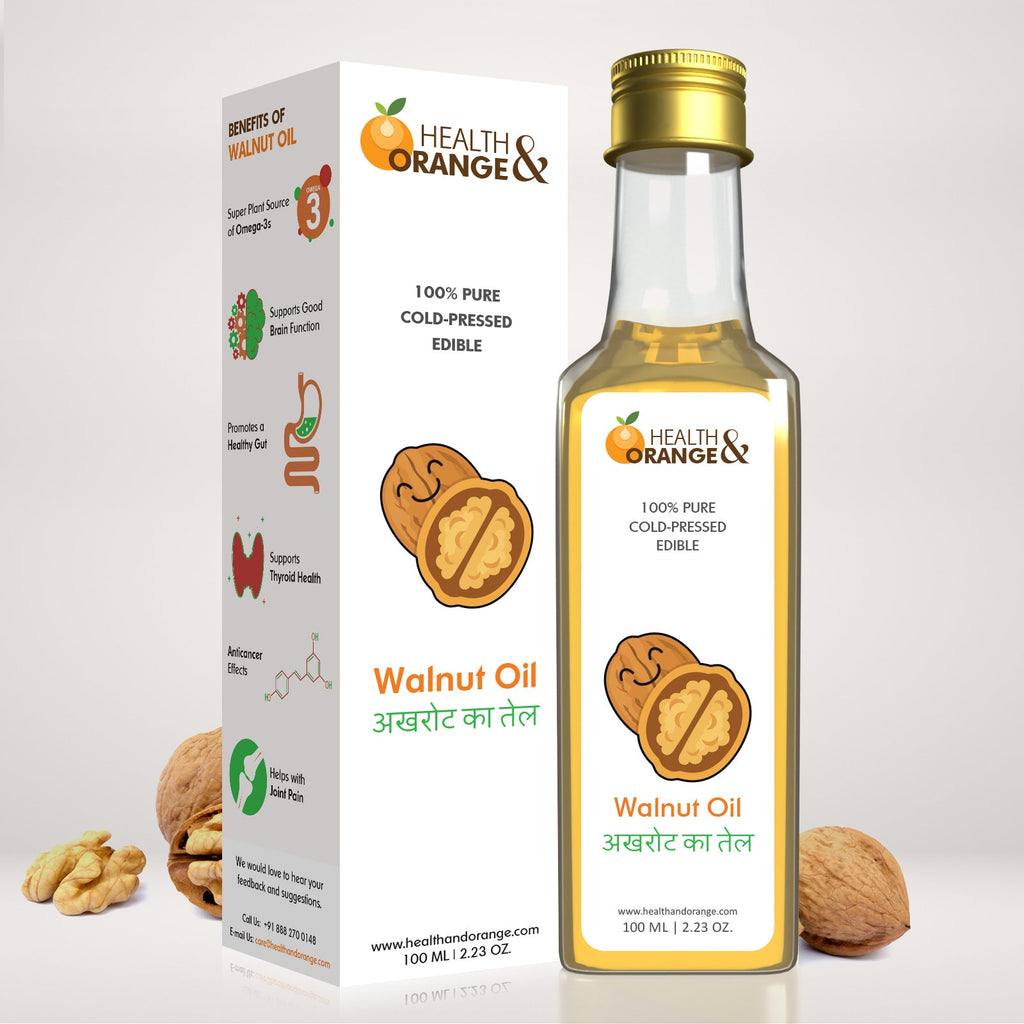
If you are purchasing walnut oil, selecting a clean option like our pure cold-pressed walnut oil ensures better quality and nutrient retention.
Environmental and lifestyle considerations
Both olive oil and walnut oil can be produced sustainably, depending on sourcing. Cold-pressed oils with ethical farming practices are generally the better choice.
Your lifestyle, cooking habits, and personal health goals should guide your decision more than trends or marketing claims.
Final thoughts on walnut oil vs olive oil
Neither walnut oil nor olive oil is objectively better for everyone. Olive oil excels in daily cooking, heart health support, and long-term dietary use. Walnut oil shines when it comes to omega-3 intake, delicate flavor, and targeted nutritional support.
The healthiest choice is often using both oils appropriately. When used in moderation and stored correctly, each oil offers unique benefits that can complement a balanced, health-focused lifestyle.
FAQs
1. Is walnut oil healthier than olive oil?
It depends on your needs. Walnut oil offers more omega-3s, while olive oil supports heart health through monounsaturated fats.
2. Can walnut oil replace olive oil completely?
Not ideally. Walnut oil is best used alongside olive oil rather than replacing it.
3. Which oil is better for cooking?
Olive oil is better for cooking due to its higher smoke point.
4. Is walnut oil good for salads?
Yes, it works very well as a salad dressing or finishing oil.
5. Which oil is better for heart health?
Both are heart-healthy, but olive oil is more commonly used daily.
6. Can walnut oil be heated?
Only at low temperatures. High heat damages its nutrients.
7. Which oil is better for skin use?
Walnut oil absorbs better for many skin types.
8. Does olive oil contain omega-3?
Only in very small amounts compared to walnut oil.
9. Is walnut oil safe for daily intake?
Yes, in small amounts and if stored properly.
10. Should I choose walnut oil or olive oil?
Using both oils for different purposes offers the best balance.
Related post
06
Jan
06
Jan
05
Jan
RECENT POSTS