Is almond oil good for skin whitening?
Is Almond Oil Good for Skin Whitening?
Almond oil has long been celebrated as a natural beauty remedy. From ancient Ayurvedic practices to modern skincare routines, its benefits have stood the test of time. But one question that continues to circulate is whether almond oil can actually help with skin whitening. While it doesn’t bleach or drastically lighten the skin, almond oil can brighten your complexion, even out skin tone and reduce pigmentation, making your skin appear lighter and more radiant naturally.
The truth is that almond oil enhances your skin’s natural glow. It nourishes, moisturizes, and repairs damaged cells, helping your skin look healthier and clearer over time. If your goal is a brighter and more even complexion, almond oil can absolutely help you achieve it with consistent use.
Understanding What Skin Whitening Really Means
When people talk about “skin whitening,” they usually mean improving skin brightness, tone, and texture—not changing their natural color. Your skin tone is determined by melanin, a pigment produced by your body. Almond oil doesn’t alter this pigment but instead helps your skin look more even and luminous by treating dullness, dryness, and dark spots.
With regular use, almond oil restores your natural glow and reduces pigmentation caused by sun exposure, pollution, or aging. The result is skin that looks fresher, healthier, and more radiant.
Why Almond Oil Works Wonders for the Skin
Almond oil is rich in vitamins and nutrients essential for healthy skin. It contains vitamin E, omega fatty acids, zinc, and antioxidants that work together to repair damage and support skin regeneration. These nutrients make your skin softer, smoother, and visibly brighter.
Vitamin E in almond oil helps protect your skin from UV damage and pollution, while fatty acids lock in moisture to prevent dryness. Regular application improves texture, fades dark patches, and helps restore your skin’s natural elasticity.
How Almond Oil Brightens Skin Tone Naturally
Almond oil doesn’t bleach your skin; it brightens it by improving overall health and circulation. Here’s how it helps:
1. Reduces Dark Spots and Pigmentation
Vitamin E in almond oil repairs damaged cells and fades dark spots and scars over time.
2. Reverses Tan and Sun Damage
Almond oil is loaded with antioxidants that soothe and heal sun-damaged skin, reducing tan and dullness.
3. Improves Blood Circulation
Massaging almond oil onto your skin boosts circulation, making your complexion look naturally fresh and glowing.
4. Removes Dead Skin Cells
When mixed with honey or sugar, almond oil works as a gentle exfoliator, removing dead cells and enhancing skin brightness.
Sweet Almond Oil vs Bitter Almond Oil
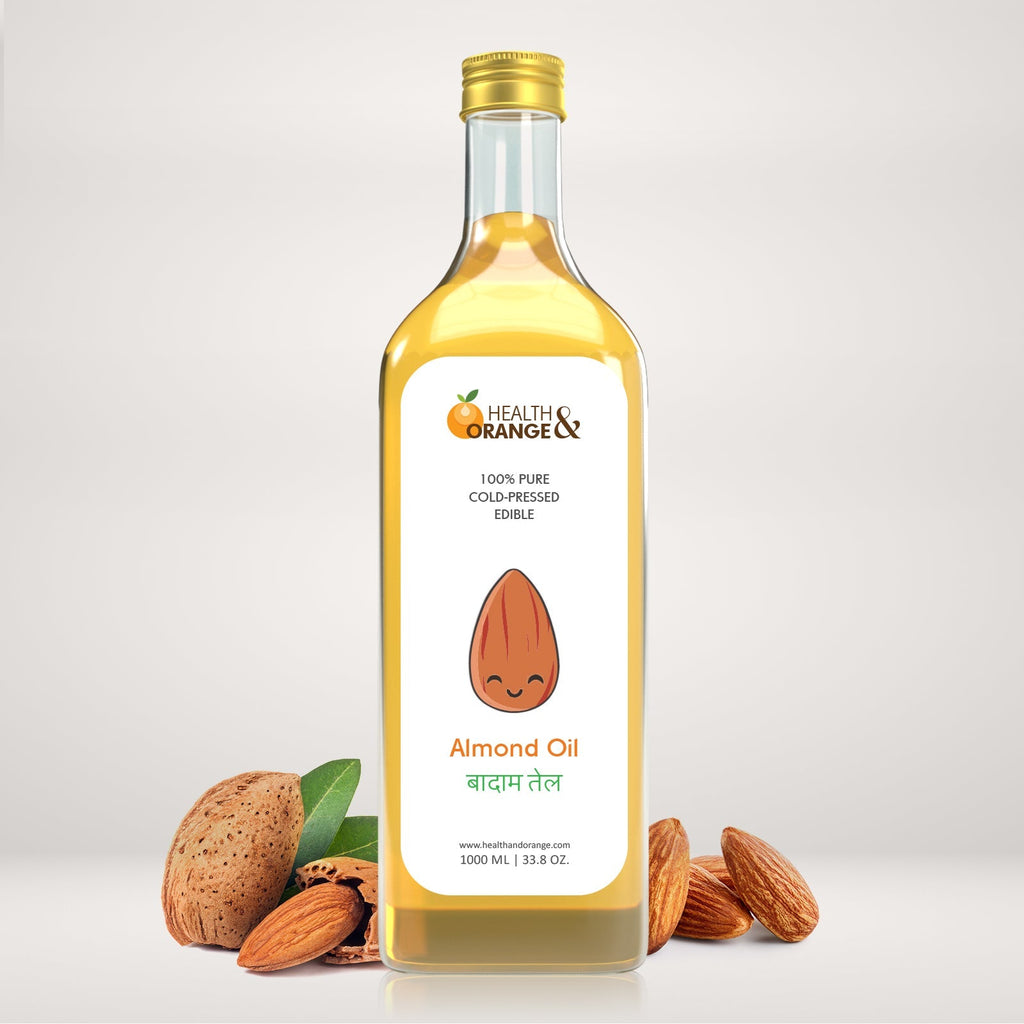
Not all almond oils are the same. Sweet almond oil and bitter almond oil serve different purposes. Sweet almond oil, derived from edible almonds, is safe and nutrient-rich, making it ideal for skincare. Bitter almond oil contains natural toxins and should not be used on skin or consumed.
For skin brightening, always choose pure edible almond oil made from cold-pressed sweet almonds. It’s chemical-free and packed with nutrients that nourish and protect your skin naturally.
How to Use Almond Oil for Brighter Skin
There are several effective ways to use almond oil to achieve glowing, even-toned skin:
1. As a Night Moisturizer
Apply a few drops of almond oil on your face before bed. Massage gently in circular motions until fully absorbed. Overnight nourishment helps your skin regenerate and stay soft.
2. For Tan Removal
Mix almond oil with lemon juice or aloe vera gel. Apply to tanned areas, leave for 15 minutes, and rinse. Repeat twice a week for best results.
3. In a Brightening Face Pack
Combine almond oil with honey, yogurt, or gram flour to create a natural face mask. This blend helps restore radiance and hydration.
4. As a Gentle Exfoliator
Mix almond oil with sugar and massage gently to remove dead cells and reveal a fresh layer of skin underneath.
How Almond Oil Compares to Other Natural Oils
Compared to other natural oils like coconut or olive oil, almond oil offers a lighter, more balanced texture that suits all skin types. Coconut oil is great for hydration but can clog pores on oily skin. Olive oil provides nourishment but feels heavier. Almond oil, however, absorbs quickly, leaving skin soft without greasiness.
It also has higher levels of vitamin E and monounsaturated fats, which enhance its ability to brighten and rejuvenate skin effectively.
Can You Use Edible Almond Oil on Skin?
Yes, edible almond oil is completely safe for external use. In fact, high-quality edible almond oil is often purer than cosmetic oils since it’s produced under food-grade standards without additives or fragrances.
Edible almond oil works beautifully for moisturizing, nourishing, and softening your skin. It penetrates deeply and adds a natural glow. You can even include it in your diet for better overall skin health. To learn more about its internal benefits, visit our detailed guide on "Is almond oil safe to ingest?"
Is Almond Oil Safe for Daily Use on Skin?
Absolutely. Almond oil is one of the gentlest natural moisturizers available. It’s suitable for all skin types, including sensitive and dry skin. Regular use helps maintain hydration and protects against damage from pollutants and UV exposure.
Always perform a patch test before using it for the first time, especially if you have sensitive or acne-prone skin.
Can Almond Oil Be Used for the Face Too?
Yes, almond oil works wonders on the face. It can help reduce dark circles, fine lines, and blemishes while giving your face a natural glow. Its non-comedogenic nature ensures that it won’t clog pores, making it safe even for daily use.
For more insights, check out our related article "Can almond oil be used on the face?" where we explore its facial benefits, application methods, and expert-backed tips.
Who Should Avoid Using Almond Oil
While almond oil is safe for most people, individuals with nut allergies should avoid it entirely. If you’re unsure, apply a small amount to your wrist and observe for any reactions before using it more widely.
People with very oily skin should also use it sparingly, as excessive application may cause minor breakouts. Always choose cold-pressed, pure almond oil to ensure it’s free from synthetic additives.
Tips for Getting the Best Results
To get the most from almond oil, apply it consistently. Use it as a night treatment or massage oil. Combine it with natural ingredients like honey, turmeric, or rose water to boost its brightening effects.
Remember that good skincare is also about balance—drink plenty of water, eat nutrient-rich foods, and follow a regular cleansing routine. Almond oil works best as part of an overall healthy lifestyle.
FAQs
1. Does almond oil make your skin whiter?
No, almond oil doesn’t bleach your skin. Instead, it enhances brightness and evens tone by repairing damage and improving skin texture.
2. Can almond oil remove tan?
Yes, almond oil helps lighten tan naturally and soothes sun-damaged skin, restoring your natural glow.
3. How long does almond oil take to show results?
With consistent use, you’ll notice smoother, more radiant skin in about two to four weeks.
4. Can almond oil remove dark spots?
Yes. Its vitamin E content helps fade pigmentation, acne scars, and blemishes, revealing clearer skin over time.
5. Is almond oil safe for daily use on the face?
Yes, it’s gentle and suitable for everyday use. It hydrates and nourishes without feeling greasy.
6. Can I leave almond oil on my face overnight?
Absolutely. Overnight application maximizes absorption and leaves your skin soft and glowing the next morning.
7. Which type of almond oil is best for skin?
Cold-pressed, sweet almond oil is best as it retains all nutrients and is free from chemicals or artificial scents.
8. Can almond oil help with uneven skin tone?
Yes, regular use can reduce uneven pigmentation, brighten dull areas, and promote a balanced complexion.
9. Is almond oil better than coconut oil for glowing skin?
Yes, almond oil is lighter, less greasy, and contains higher vitamin E levels, which make it ideal for daily facial care.
10. Can I use almond oil with other skincare products?
Yes, almond oil blends well with moisturizers, aloe vera, or honey and can be layered under sunscreen or night creams.
Related post
28
Dec
28
Dec
25
Dec
22
Dec
21
Dec
RECENT POSTS