Is almond oil safe to ingest?
Is Almond Oil Safe to Ingest?
Yes, almond oil can be safely ingested, but only if it’s the right kind. The key is understanding the difference between edible almond oil and cosmetic almond oil. When sourced correctly and used in moderation, almond oil is not only safe to eat but also beneficial for your health.
What Makes Almond Oil Safe to Ingest
The safety of almond oil depends on how it’s made and what type of almonds it comes from. There are two kinds of almond oils: sweet almond oil and bitter almond oil. Sweet almond oil is the one used in food and skin care. It’s made from edible almonds and extracted through cold-pressing, a process that preserves nutrients while keeping the oil free from chemicals or high-heat damage. This is the version you find labeled as edible almond oil, and it’s completely safe to consume.
Bitter almond oil, on the other hand, is not safe for ingestion. It’s made from bitter almonds that contain compounds capable of releasing cyanide, a toxic substance when digested. This type is used for aroma or external applications only. So, before consuming almond oil, always confirm it’s sweet almond oil that’s cold-pressed and explicitly labeled as food-grade or edible.
Nutritional Profile of Almond Oil
Edible almond oil is packed with healthy nutrients. A single tablespoon contains around 120 calories and 14 grams of mostly monounsaturated fats—the same kind of heart-healthy fats found in olive oil and avocados. It’s also rich in vitamin E, a powerful antioxidant that protects your cells from oxidative stress and supports immune function.
Almond oil naturally contains small amounts of potassium, magnesium, and omega fatty acids that support brain and heart health. Its fat composition helps lower LDL cholesterol (the bad kind) while promoting HDL cholesterol (the good kind). For anyone following a balanced diet, almond oil serves as a healthy alternative to refined vegetable oils.
Health Benefits of Consuming Almond Oil
When used properly, almond oil offers several impressive benefits for your body.
1. Heart health support
The high levels of monounsaturated fats in almond oil help maintain healthy cholesterol levels, reducing the risk of heart disease. Studies have shown that replacing saturated fats with unsaturated fats can significantly improve cardiovascular function.
2. Improved digestion
Almond oil is known for its mild laxative properties. A small amount added to warm milk or salads can ease digestion and prevent constipation naturally.
3. Better skin from within
While most people know almond oil for topical skincare, consuming edible almond oil can also enhance skin health. Vitamin E nourishes skin cells from the inside out, keeping your complexion supple and hydrated. For more about its external benefits, check out our blog on whether almond oil can be applied on the face for a complete skincare perspective.
4. Antioxidant protection
Almond oil is loaded with antioxidants, which help neutralize free radicals in your body. Regular intake can reduce oxidative stress, one of the leading contributors to aging and chronic disease.
5. Hormonal balance and energy
The healthy fats in almond oil play a role in regulating hormones and maintaining steady energy levels. Adding a small spoonful to your breakfast or smoothie can help sustain energy throughout the day.
The Right Way to Consume Almond Oil
Almond oil has a mild, nutty flavor that makes it versatile in the kitchen. It works beautifully as a finishing oil for salads, pasta, or roasted vegetables. You can drizzle it over dishes instead of butter or mix it into smoothies for an extra dose of nutrients.
However, almond oil is not ideal for high-heat cooking. Its smoke point (around 220°C or 430°F) is lower than refined oils, so it’s better suited for light sautéing, baking, or drizzling rather than deep frying. When exposed to excessive heat, its nutrients and flavor can degrade.
For optimal benefits, choose cold-pressed oil in dark glass bottles and store it in a cool, dry place to prevent oxidation.
How Much Almond Oil Should You Consume
Moderation is key. A teaspoon or two of edible almond oil per day is sufficient for most adults. Because it’s calorie-dense, overconsumption can contribute to unwanted weight gain despite being a healthy fat.
If you’re introducing it into your diet for the first time, start with a smaller amount and observe how your body reacts. People with nut allergies should avoid it completely or consult a doctor before trying.
Who Should Be Careful with Almond Oil
While almond oil is safe for most people, it’s not for everyone.
People with nut allergies should never consume almond oil. Even trace amounts can trigger reactions ranging from mild itching to severe anaphylaxis.
Those taking medications for diabetes or cholesterol should speak with their doctor before adding large quantities of almond oil to their diet, as it can mildly influence sugar and fat metabolism.
Pregnant or breastfeeding women can use almond oil in food but should stick to recommended doses and always ensure it’s food-grade.
Comparing Almond Oil to Other Healthy Oils
Almond oil competes with several other oils in the wellness and culinary space.
Olive oil is still the gold standard for Mediterranean diets, rich in similar fats but with a stronger flavor. Almond oil is lighter in taste and often more appealing for desserts and mild recipes.
Coconut oil is solid at room temperature and contains more saturated fats, which raise LDL levels slightly. Almond oil, being unsaturated, is more heart-friendly.
Avocado oil has a higher smoke point, making it better for frying, but almond oil provides a smoother, more delicate texture for drizzling and baking.
For versatility and nutritional balance, almond oil sits comfortably among the top healthy oils for everyday use.
Can Almond Oil Be Used for Weight Loss?
While almond oil itself doesn’t burn fat, it supports weight management when used to replace unhealthy fats. Healthy fats keep you fuller longer, reducing sugar cravings and promoting better metabolism. If you’re following a fitness or wellness plan, swapping butter or refined vegetable oils with a teaspoon of almond oil can be a smart move.
It’s not a miracle oil for shedding weight, but it contributes to a more balanced and satisfying diet.
Culinary Uses of Almond Oil
Almond oil’s mild taste and smooth texture make it an excellent choice for a variety of dishes.
Use it as a dressing base for salads with lemon juice or balsamic vinegar.
Drizzle over toast or grilled vegetables for a buttery flavor.
Add to baked goods like muffins or cakes for a moist texture.
Blend into smoothies or shakes for extra creaminess and nutrition.
Mix into dips or spreads like hummus for a subtle nutty twist.
Since almond oil pairs well with both sweet and savory foods, it’s a great all-rounder to keep in your pantry.
The Importance of Choosing the Right Almond Oil
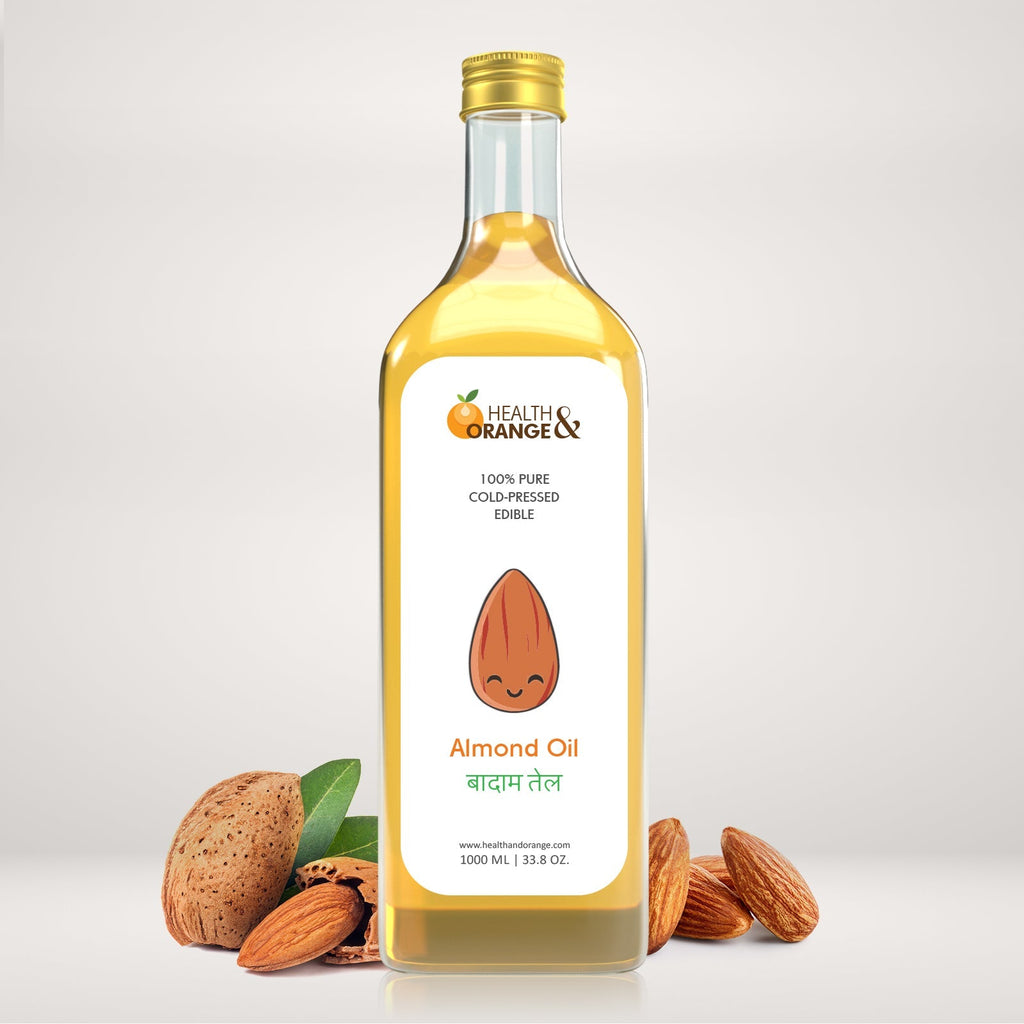
Not all almond oils are created equal. Always look for bottles labeled edible almond oil and verify that it’s cold-pressed from sweet almonds. Avoid refined or cosmetic oils, which may contain additives or processing residues not meant for digestion.
Check for certifications like “food grade,” “cold-pressed,” or “chemical-free” to ensure safety and quality. Clear packaging and brand transparency are good indicators that the product is trustworthy.
If you buy online, read reviews and verify that the oil is suitable for cooking or ingestion. High-quality edible almond oil should have a golden hue, a mild nutty aroma, and a light, non-sticky texture.
Common Myths About Ingesting Almond Oil
Myth 1: All almond oils are edible
False. Only food-grade oils labeled for consumption are safe. Cosmetic oils may contain fragrance or solvents unsafe for digestion.
Myth 2: Almond oil causes acne when consumed
Incorrect. In fact, when taken in moderation, it can improve skin health from within due to its antioxidant content.
Myth 3: Heating almond oil makes it toxic
While heat can destroy some nutrients, it doesn’t make the oil harmful. It simply reduces its benefits and flavor.
Myth 4: Edible almond oil and skincare almond oil are the same
No. Though they might look similar, skincare-grade oils are not processed or tested for food safety standards.
How to Store Almond Oil Properly
Almond oil can last several months if stored correctly. Keep it in a dark glass bottle away from direct sunlight and heat. Once opened, it’s best to use it within six months for maximum freshness. Exposure to air and light can make the oil go rancid over time.
If the oil starts smelling bitter or has a cloudy appearance, it’s time to replace it. Proper storage not only extends its shelf life but also preserves its nutritional quality.
Real-World Uses: From Kitchens to Wellness
People use almond oil in several ways beyond cooking. Some add it to warm milk as a bedtime drink, claiming it helps with better sleep and digestion. Others use it as a salad topper, a natural dressing base, or even in Ayurvedic preparations. Because it’s versatile, it blends seamlessly into modern wellness and traditional practices alike.
Final Thoughts
So, is almond oil safe to ingest? Absolutely—if it’s food-grade and made from sweet almonds. It’s a nourishing, natural oil full of heart-healthy fats, antioxidants, and vitamins. Whether you use it in your salad, smoothie, or light cooking, it brings a gentle nutty flavor along with real health benefits.
Always make sure you’re choosing edible almond oil clearly marked as cold-pressed and chemical-free. Avoid cosmetic versions meant only for external use. When used correctly, almond oil can be a beautiful addition to your kitchen and wellness routine.
And if you’re curious about how almond oil benefits your skin externally, explore our detailed guide to learn how the same oil that nourishes your body can also rejuvenate your skin naturally.
FAQs
1. Can I drink almond oil directly?
Yes, you can consume a small spoonful of edible almond oil daily. It’s best to start with one teaspoon and see how your body responds.
2. Can I cook with almond oil?
You can use almond oil for light sautéing, baking, or drizzling. Avoid using it for deep frying since high heat destroys nutrients.
3. Is bitter almond oil safe to eat?
No. Bitter almond oil is toxic and should never be ingested. Only sweet, cold-pressed edible almond oil is safe for consumption.
4. Can almond oil help with constipation?
Yes, when consumed in moderation, almond oil has mild laxative properties that can help ease digestion and relieve constipation.
5. How long does edible almond oil last?
Properly stored, it can last six months to a year. Keep it away from heat and sunlight in a tightly sealed glass bottle.
6. Can I use the same almond oil for cooking and skincare?
Only if it’s labeled as edible and cold-pressed. Cosmetic almond oils may contain additives not meant for ingestion.
7. Does almond oil have side effects?
In moderate quantities, no. But excessive intake can lead to weight gain. People with nut allergies should avoid it entirely.
8. Can almond oil replace butter or ghee?
Yes, it can be a healthier substitute in salad dressings, toast spreads, or baking recipes due to its light flavor and healthy fats.
9. Can pregnant women consume almond oil?
Yes, if it’s food-grade and used in small amounts. However, consulting a doctor before regular use is recommended.
10. What’s the best way to use almond oil for wellness?
You can add it to salads, smoothies, or warm milk before bed for improved digestion and better skin health from within.
Related post
28
Dec
28
Dec
25
Dec
22
Dec
21
Dec
RECENT POSTS