Does walnut increase hair growth?
Does walnut increase hair growth?
Walnut does not directly cause new hair to grow in the way medications or medical treatments do, but it can support healthier hair growth by improving scalp health, reducing breakage, and nourishing hair from within. Both walnuts as a food and walnut oil as a topical treatment play a supportive role rather than acting as a guaranteed hair growth solution.
Understanding how walnut works for hair helps set realistic expectations and avoid disappointment.
How walnut supports hair health from the inside
Walnuts are rich in nutrients that matter for hair health. They contain omega-3 fatty acids, biotin, vitamin E, and antioxidants, all of which play a role in maintaining strong hair and a healthy scalp.
Omega-3 fatty acids help support blood circulation, including circulation to the scalp. Better circulation means hair follicles receive oxygen and nutrients more efficiently, which supports normal hair growth cycles. This does not mean walnuts will create new follicles, but they help existing follicles function better.
Biotin supports keratin production, which is essential for hair strength. A biotin deficiency can contribute to thinning hair or increased shedding. Including walnuts in your diet helps support overall nutrient intake that keeps hair from becoming weak and brittle.
Antioxidants found in walnuts help reduce oxidative stress, which can damage hair follicles over time. This protection helps preserve hair density and quality as you age.
Can eating walnuts help with hair growth?
Eating walnuts supports hair growth indirectly by improving overall health and nutrient balance. Hair growth is affected by diet, stress, hormones, and genetics. Walnuts contribute to the nutritional side of that equation.
If hair loss is caused by poor nutrition, adding walnuts to a balanced diet may help reduce shedding and improve hair strength. If hair loss is genetic or hormonal, walnuts alone will not reverse it.
Walnuts work best when combined with a diet rich in fruits, vegetables, protein, and healthy fats. Think of walnuts as a supportive food, not a miracle fix.
How walnut oil helps scalp and hair health
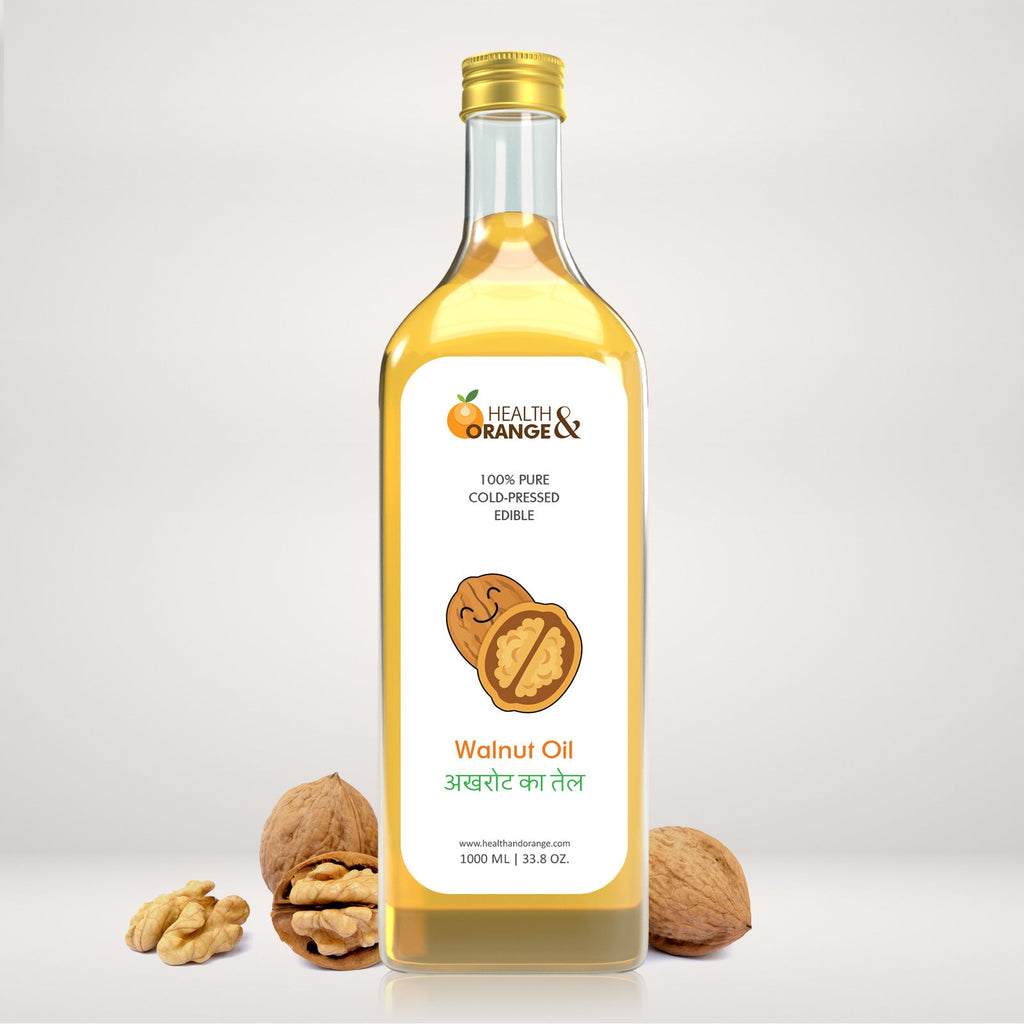
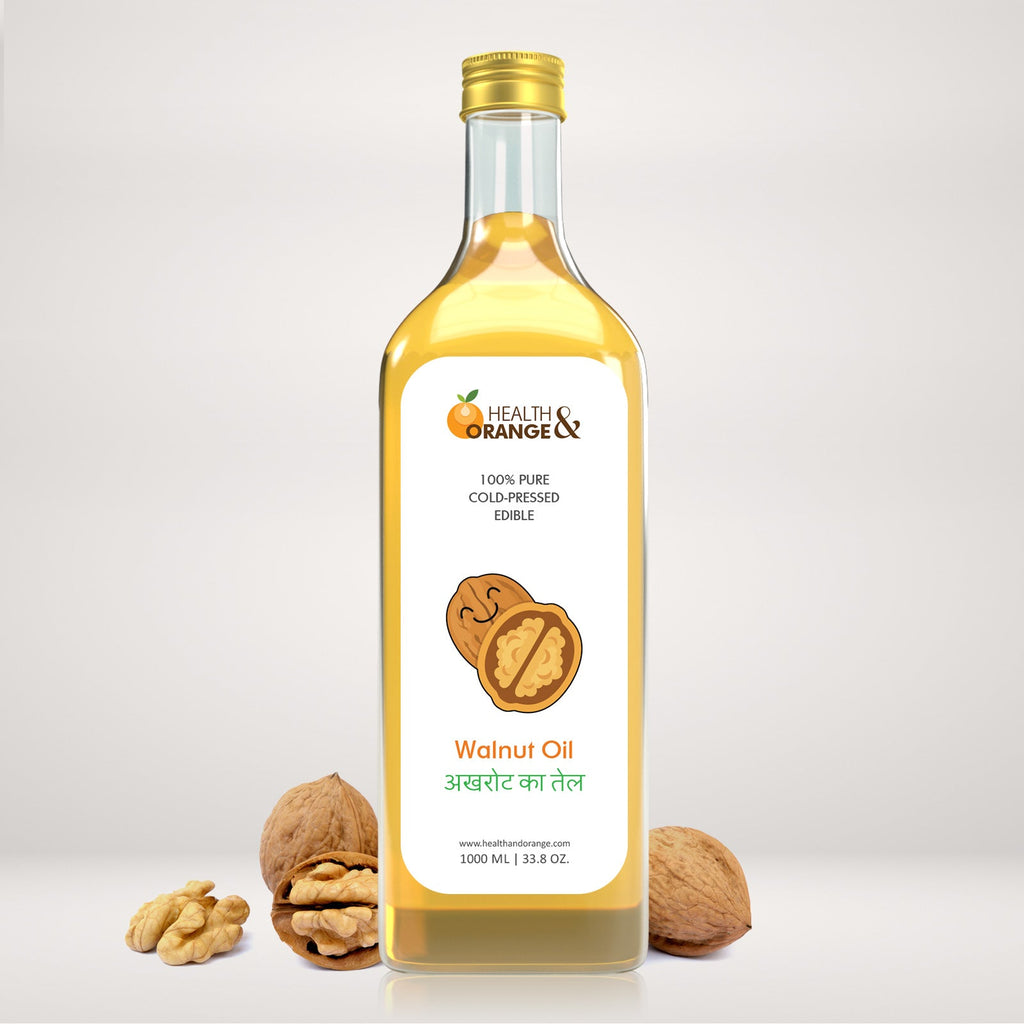
Walnut oil is often used in hair care because it deeply nourishes the scalp and hair strands. When applied topically, it helps moisturize dry scalp, reduce flakiness, and improve hair texture.
A healthy scalp is essential for healthy hair growth. Dryness, irritation, and buildup can interfere with normal hair cycles. Walnut oil helps soften the scalp and maintain a balanced environment where hair can grow without unnecessary stress.
Walnut oil also helps reduce hair breakage. When hair is dry and brittle, it breaks easily, making it seem like hair is not growing. Regular oiling improves elasticity and shine, which helps hair retain length over time.
If you are choosing a topical product, using pure cold-pressed walnut oil allows you to benefit from its nutrients without harsh additives.
Does walnut oil stimulate hair follicles?
Walnut oil does not directly stimulate dormant hair follicles or regrow hair in bald areas. What it does is support the scalp environment so existing follicles function properly.
Massaging walnut oil into the scalp improves blood flow, which helps deliver nutrients to hair roots. This can support thicker-looking hair over time, especially for people dealing with dryness-related shedding or weak strands.
Regular massage also reduces scalp tension, which can indirectly support healthier hair cycles.
Walnut oil is best viewed as a maintenance and support tool rather than a treatment for severe hair loss.
Walnut oil and hair fall reduction
One of the most noticeable benefits of walnut oil is reduced hair fall due to breakage. Hair fall often looks like hair loss, but the causes are different.
When hair strands lack moisture, they snap easily. Walnut oil coats the hair shaft, smooths rough cuticles, and reduces friction. This leads to less breakage during washing, brushing, or styling.
Over time, reduced breakage can make hair appear fuller and longer, even though the actual growth rate remains the same.
Using walnut oil consistently helps maintain hair integrity rather than accelerating growth speed.
How to use walnut oil for hair care
To use walnut oil effectively, warm a small amount slightly and massage it into the scalp using gentle circular motions. Focus on even distribution rather than heavy application.
Leave the oil on for at least thirty minutes. For deeper conditioning, it can be left on for a few hours. Wash with a mild shampoo afterward to avoid buildup.
If you are unsure about leaving oils on for extended periods, you may want to check if it is ok to leave oil on face overnight since similar principles apply to scalp oiling as well.
For dry hair, walnut oil can also be used sparingly on the ends as a leave-in conditioner.
Walnut oil vs other oils for hair growth
Many oils are discussed in hair care routines, and it helps to understand where walnut oil fits.
Walnut oil is heavier than some oils and works best for dry or damaged hair types. It excels at nourishment rather than stimulation. Oils like castor oil are often discussed for growth stimulation, while walnut oil focuses on strengthening and moisture.
For people comparing oils, understanding how other oils are used can be helpful. You may want to explore whether almond oil can be used on the face because many oil-use principles apply across hair and skin care.
Walnut oil complements other oils well when blended thoughtfully.
Does walnut prevent premature hair aging?
Walnuts contain antioxidants that help protect against oxidative stress, one of the contributors to premature hair aging. Oxidative stress can weaken hair follicles and affect pigment production.
While walnuts will not reverse gray hair, they may help slow damage that leads to weakened strands and dull appearance. This contributes to healthier-looking hair over time.
Consistent nourishment plays a role in maintaining hair quality as you age.
Walnut oil for different hair types
Walnut oil works best for dry, coarse, or damaged hair. It provides deep moisture and improves manageability.
For oily scalps, walnut oil should be used sparingly and washed out thoroughly. Overuse may lead to buildup, which can interfere with scalp balance.
Curly and textured hair types often benefit from walnut oil because it helps define curls and reduce frizz.
Fine hair types should focus on light application and avoid the scalp if heaviness is an issue.
Common myths about walnut and hair growth
One common myth is that walnuts can regrow hair in bald spots. This is not true. Hair regrowth depends on follicle health, hormones, and genetics.
Another myth is that applying more oil leads to faster growth. Excess oil can clog pores and cause buildup, which may worsen hair concerns.
Walnut supports hair health, but patience and balance are essential.
Diet, lifestyle and hair growth
Hair growth is influenced by more than topical care. Stress, sleep, hydration, and overall diet all play major roles.
Including walnuts in a balanced diet supports internal health, which reflects in hair quality. Pairing this with proper scalp care creates the best environment for healthy hair.
If your hair concerns are linked to dryness or nutrient imbalance, walnuts can be helpful. If hair loss is sudden or severe, medical evaluation is important.
Can walnut oil cause side effects on hair?
Walnut oil is generally safe for most people, but those with nut allergies should avoid it entirely. Always perform a patch test before first use.
Improper washing may leave residue, leading to scalp heaviness or itching. Using a gentle shampoo helps prevent this.
Quality matters. Rancid or poorly stored oil can irritate the scalp and damage hair.
If you are cautious with nut-based products, you may want to understand if almond oil is safe to ingest since safety considerations often overlap.
How long does it take to see results?
Hair improvements from walnut use are gradual. Reduced dryness and improved shine may appear within weeks.
Reduced breakage and better hair strength usually become noticeable after consistent use for one to two months.
True hair growth changes take longer and depend on multiple factors beyond walnut alone.
Walnut works best as part of a long-term hair care approach rather than a quick fix.
Final thoughts on walnut and hair growth
Walnut does not directly increase hair growth in the sense of creating new hair follicles. What it does is support healthier hair growth by nourishing the scalp, strengthening hair strands, and reducing breakage.
Both eating walnuts and using walnut oil contribute to hair quality when used consistently and correctly. When combined with good nutrition, gentle care, and realistic expectations, walnut can be a valuable part of a hair care routine.
FAQs
1. Does walnut help regrow lost hair?
No, walnut does not regrow lost hair, but it supports healthier existing hair.
2. Can walnut oil reduce hair fall?
Yes, it can reduce hair fall caused by dryness and breakage.
3. How often should walnut oil be used on hair?
One to two times a week is usually enough.
4. Is walnut oil good for dry scalp?
Yes, it helps moisturize and soothe dry scalp.
5. Can eating walnuts improve hair thickness?
They may help support thickness by improving nutrient intake.
6. Does walnut oil work for oily hair?
It can be used sparingly, but heavy use is not recommended.
7. Can walnut oil cause hair loss?
No, unless it causes irritation or buildup due to overuse.
8. Is walnut oil safe for all hair types?
Most hair types can use it with proper application.
9. How long before walnut shows hair benefits?
Visible improvements usually take a few weeks to months.
10. Should walnut replace other hair treatments?
No, it should be used as supportive care, not a replacement.
Related post
28
Dec
28
Dec
25
Dec
22
Dec
21
Dec
RECENT POSTS