Can I use walnut oil on my hair?
Can I use walnut oil on my hair?
Yes, you can use walnut oil on your hair, and for many people it can be very beneficial. Walnut oil helps nourish the scalp, soften dry strands, reduce breakage, and improve overall hair health. It does not magically regrow hair or stop genetic hair loss, but when used correctly, it supports healthier, stronger, and more manageable hair over time.
The key is understanding how walnut oil works, who it is best for, and how to use it properly so it benefits your hair rather than weighing it down or causing buildup.
What walnut oil does for your hair
Walnut oil is rich in omega-3 fatty acids, antioxidants, and vitamins that play an important role in hair health. These nutrients help strengthen the hair shaft, protect hair from environmental damage, and support scalp health.
Hair that lacks moisture becomes brittle and prone to breakage. Walnut oil helps coat the hair strands, smooth rough cuticles, and lock in moisture. This makes hair feel softer, look shinier, and break less easily.
A healthy scalp is also essential for healthy hair. Walnut oil helps soothe dryness and supports a balanced scalp environment, which allows hair to grow without unnecessary stress.
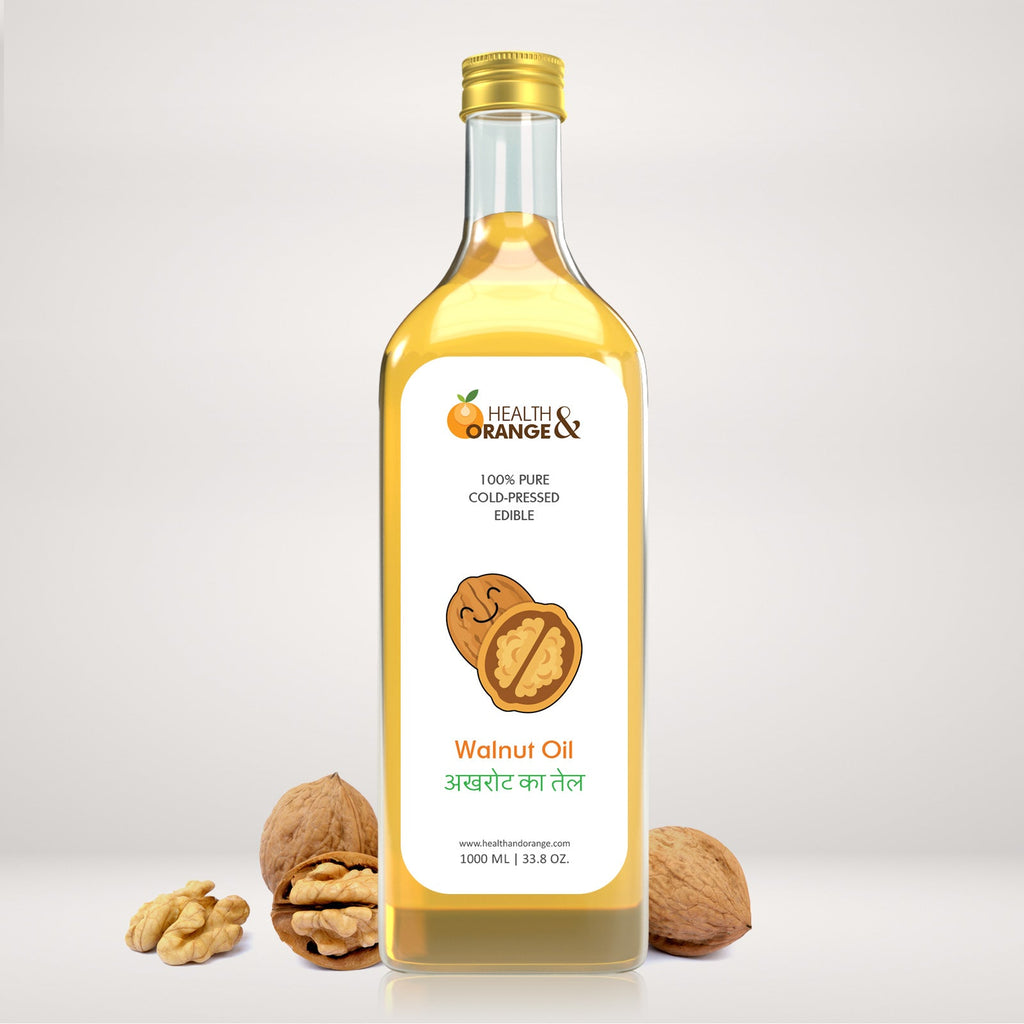
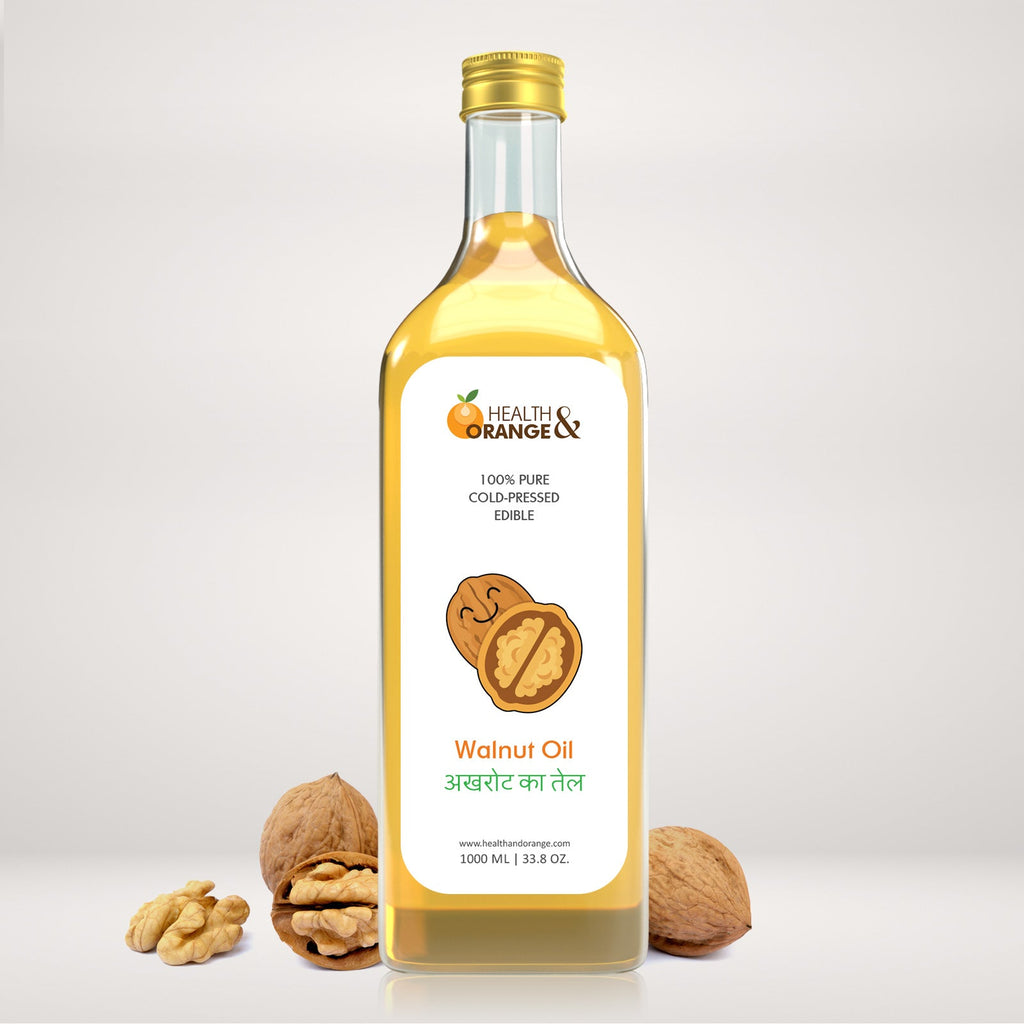
If you are using a clean, well-sourced option like our pure cold-pressed walnut oil, you are giving your hair nutrients without harsh additives.
Does walnut oil help with hair growth?
Walnut oil does not directly increase hair growth by creating new follicles. Hair growth depends on genetics, hormones, nutrition, and overall health. What walnut oil does is support conditions that allow healthy hair growth to continue.
When the scalp is dry, irritated, or clogged with buildup, hair growth cycles can be disrupted. Walnut oil helps maintain scalp moisture and comfort, which supports normal hair growth patterns.
It also reduces hair breakage. Many people think their hair is not growing when, in reality, it is breaking at the ends. By strengthening the hair shaft, walnut oil helps retain length over time.
If you want a deeper understanding of this topic, you may want to explore whether walnut increases hair growth to set realistic expectations.
Is walnut oil good for the scalp?
Walnut oil can be very helpful for dry or mildly irritated scalps. Its fatty acids help soothe dryness and reduce flakiness. A comfortable scalp is less likely to itch or become inflamed, which benefits hair health.
Massaging walnut oil into the scalp also improves blood circulation. Better circulation helps deliver oxygen and nutrients to hair follicles, supporting stronger hair over time.
However, walnut oil is rich and heavy. If your scalp is very oily or prone to buildup, it should be used sparingly and washed out thoroughly.
Walnut oil is best suited for people with dry scalp, textured hair, or hair that has been damaged by heat or chemical treatments.
How to use walnut oil on your hair
Using walnut oil the right way makes a big difference in results. Start with a small amount and adjust based on your hair type.
Warm a few drops of walnut oil between your palms. Massage gently into the scalp using circular motions. Focus on even distribution rather than heavy application.
After massaging the scalp, apply a small amount to the lengths and ends of your hair, especially if your hair is dry or prone to split ends.
Leave the oil on for thirty minutes to a few hours. Wash it out with a mild shampoo. Double cleansing may be needed if your hair is fine or your scalp gets oily easily.
Some people prefer leaving oil on overnight. If you are unsure whether this is right for you, you may want to check if it is ok to leave oil on face overnight since similar principles apply to scalp oiling.
Can walnut oil be used as a leave-in treatment?
Walnut oil can be used as a leave-in treatment, but only in very small amounts. One or two drops rubbed between the palms and applied to the ends of dry hair can help reduce frizz and add shine.
Using too much as a leave-in can make hair look greasy or weighed down, especially for fine hair types.
It works best as a pre-wash oil or occasional deep-conditioning treatment rather than a daily styling product.
Walnut oil for different hair types
Walnut oil works differently depending on hair type.
- For dry and damaged hair, walnut oil provides deep nourishment and helps restore softness. It is especially helpful for hair damaged by heat styling, coloring, or chemical treatments.
- For curly and textured hair, walnut oil helps define curls, reduce frizz, and improve manageability. Its richness helps lock in moisture that curly hair often lacks.
- For fine or oily hair, walnut oil should be used sparingly and mainly on the ends. Applying it directly to the scalp may feel too heavy.
- For sensitive scalps, patch testing is important. Walnut oil is generally gentle, but nut sensitivity should always be considered.
Can walnut oil reduce hair fall?
Walnut oil can help reduce hair fall caused by dryness and breakage. When hair strands are brittle, they snap easily during brushing or washing.
By improving moisture and elasticity, walnut oil helps hair withstand everyday handling. This leads to less hair fall over time.
It does not stop hair fall caused by hormonal changes, medical conditions, or genetic factors. In those cases, walnut oil acts only as supportive care.
Walnut oil compared to other hair oils
Walnut oil is heavier than many popular hair oils. Its strength lies in nourishment rather than stimulation.
Oils like castor oil are often discussed for stimulating hair growth, while walnut oil focuses on strengthening and moisture. Coconut oil penetrates the hair shaft, while walnut oil coats and protects it.
Walnut oil works well when combined with lighter oils, but it is also effective on its own for dry hair types.
Understanding oil usage across skin and hair helps avoid misuse. You may want to learn if almond oil can be used on the face since many oil application principles overlap.
How often should you use walnut oil on your hair?
Using walnut oil once or twice a week is usually enough. Overuse can lead to buildup, which may make hair feel heavy or dull.
Consistency matters more than frequency. Regular, moderate use gives better results than heavy application once in a while.
Pay attention to how your hair responds and adjust accordingly.
Can walnut oil cause problems for hair?
Walnut oil is generally safe, but there are a few things to keep in mind.
People with nut allergies should avoid walnut oil entirely unless approved by a healthcare professional.
Using too much oil or not washing it out properly can lead to buildup, itching, or dull hair.
Using rancid or poorly stored oil can irritate the scalp. Always store walnut oil in a cool, dark place and discard it if it smells off.
If you are cautious with nut-based products, you may want to understand if almond oil is safe to ingest since safety considerations often overlap.
Does walnut oil help with hair aging?
Walnut oil contains antioxidants that help protect hair from oxidative stress, which contributes to dullness and weakened strands over time.
While it does not reverse gray hair, it helps maintain hair softness, shine, and strength as you age.
Healthy hair often looks more youthful, even without changing color.
Diet and lifestyle matter too
Topical care alone is not enough for healthy hair. Diet, hydration, stress management, and sleep all affect hair quality.
Including walnuts in your diet supports internal nutrition, which reflects in hair health. Combined with topical walnut oil use, this creates a balanced approach to hair care.
For overall wellness, it also helps to understand whether walnut oil is good for you internally. You may want to learn if walnut oil is good for you to see how internal and external benefits connect.
How long does it take to see results?
Softness and shine often improve within a few uses. Reduced breakage and better manageability usually appear after a few weeks.
Long-term improvements in hair quality require consistent use over several months. Hair growth itself remains gradual and depends on multiple factors.
Patience is essential when using natural oils.
Final thoughts on using walnut oil on hair
You can absolutely use walnut oil on your hair, and when used correctly, it offers meaningful benefits. It nourishes the scalp, strengthens hair strands, reduces breakage, and improves overall hair texture.
Walnut oil is not a miracle solution for hair loss, but it is a valuable tool for maintaining healthy, strong, and manageable hair. Used consistently and in moderation, it fits well into a natural hair care routine.
FAQs
1. Can walnut oil be used on hair regularly?
Yes, once or twice a week is usually safe and effective.
2. Is walnut oil good for dry hair?
Yes, it deeply nourishes dry and damaged hair.
3. Can walnut oil help hair grow faster?
No, it supports healthy growth but does not speed it up.
4. Is walnut oil suitable for oily scalp?
It can be used sparingly, mainly on hair ends.
5. Can walnut oil reduce dandruff?
It may help with dryness-related flakes, not medical dandruff.
6. Should walnut oil be applied to scalp or hair only?
It can be applied to both, depending on hair type.
7. Can walnut oil be mixed with other oils?
Yes, it can be blended with lighter oils if needed.
8. Is walnut oil safe for colored hair?
Yes, it helps nourish chemically treated hair.
9. Can walnut oil be left on overnight?
Yes, but only if your scalp tolerates it well.
10. Who should avoid using walnut oil on hair?
People with nut allergies should avoid it.
Related post
28
Dec
28
Dec
25
Dec
22
Dec
21
Dec
RECENT POSTS